Suwanee, GA · Gwinnett County
Basement Water Removal in Suwanee, GABasement Water Pump Out & Basement Moisture Inspection
After a burst pipe or storm, Basement Water Removal in Suwanee means basement water pump out, basement wall drying and basement drying services.
Answered 24/7
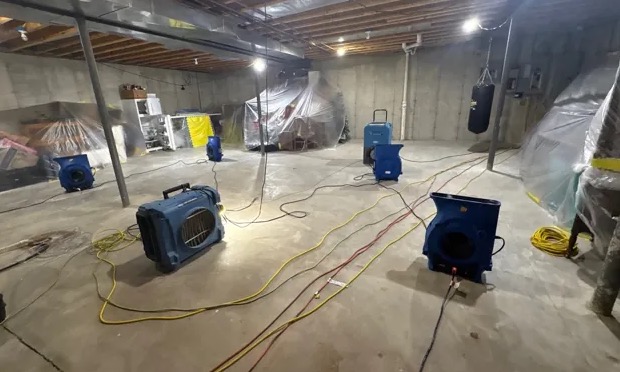
Local Basement Water Removal Services for Suwanee
Basement Water Removal in Suwanee starts with safety. Water near the furnace, water heater or electrical panel can be dangerous, so power is made safe before anyone steps into it.
A finished basement or lower level in Suwanee or Sugar Hill, Duluth and Buford can hide water under flooring and behind drywall. The pros find and remove it before it causes lasting damage.
Basement Water Removal Services in Suwanee
Basement Water Pump Out
When water is more than an inch or two deep, pumps move it far faster than wet vacs, which limits how long walls sit in water.
Basement Moisture Inspection
Readings are recorded at each visit, giving you and your insurer a clear record of the drying.
Sump Pump Failure Water Cleanup
A backup pump or battery system is worth discussing with a plumber after the cleanup, since sump failures often repeat in storms.
Basement Drying Services
Equipment stays until the basement reads dry, not just until it looks dry. Removing it early lets dampness return.
Basement Dehumidification
Dehumidifiers run continuously during drying, and their output is checked to track how much water is still coming out of the materials.
Indicators You Need Professional Water Removal
Sump Pump Failure or Overflow
A sump pit that is full, overflowing or has a pump that will not start means water is about to spread.
Soggy or Wet Carpeting
Carpet that feels damp or smells sour is holding water in the pad against the concrete.
Warped or Buckling Flooring
Flooring that buckles, lifts or feels spongy has water trapped between it and the slab.
Efflorescence on Concrete Walls
White, powdery deposits on concrete walls mean water is passing through the masonry.
How Basement Water Removal Works in Suwanee
Step 1: Emergency Water Extraction
Power is made safe, then pumps and extractors remove standing water from the basement floor.
Step 2: Detailed Moisture Inspection
Meters map wet walls, framing and slab areas, including behind finished walls and under flooring.
Step 3: Drying and Dehumidification
Air movers and large dehumidifiers run continuously, with readings checked every day.
Step 4: Final Verification and Monitoring
Readings are compared to dry areas, and equipment is removed only when the basement tests dry.
Common Causes of Basement Flooding in Suwanee
Window Well Leaks and Drainage
Window wells without drains or covers fill with rain and leak through the windows.
High Water Table and Hydrostatic Pressure
A high water table presses groundwater against the slab and walls, forcing it inside.
Clogged or Damaged Gutters
Clogged gutters and short downspouts dump roof water right next to the foundation.
Improper Landscape Grading
Soil that slopes toward the house directs rainwater straight to the basement walls.
Basement Water Removal for Homes and Businesses
Residential Basement Water Removal
Families should keep children and pets away from basement water until power is safe and the type of water is known.
Commercial Basement Water Removal
In restaurants and shops, basement water near food or stock storage needs removal and cleaning before those areas are used again.
The Risks of DIY Basement Water Removal
You can move belongings up off the floor and run the dehumidifier you already own. Drying soaked walls and slab needs larger equipment and readings to confirm the job is done.
Understanding Basement Water Removal Pricing
Waterproofing and drainage work are separate costs. In Suwanee, they may be needed to stop the next flood.
Basement Square Footage
Larger basements need more extraction, more drying equipment and more days of drying.
Affected Materials
Finished walls, carpet and laminate take more removal work than bare concrete.
Time of Service
Night, weekend and storm calls can cost more than a scheduled weekday visit.
Does Insurance Cover Basement Water Removal?
Ask your adjuster early how your policy treats seepage and sewer backups, since many policies limit or exclude both kinds of water.
The Value of Professional Basement Water Removal
Focus on Drying Outcomes
Drying continues until readings are normal, not just until surfaces look dry.
24/7 Emergency Response
Help is available day or night when water is rising in the basement.
Methodical Water Removal Process
Water is removed in a set order: pump-out, extraction, removal of soaked materials, then drying.
Emergency Basement Water Removal Available 24/7
Standing water in a basement soaks walls and floors by the hour. Call (678) 672-1781 for basement water removal in Suwanee at any time, day or night.
Call Now (678) 672-1781Local Basement Water Removal Coverage for Sugar Hill, Duluth and Buford
Besides Suwanee, local basement water removal pros handle basement pump-outs, wall drying and dehumidification in nearby Sugar Hill, Duluth and Buford.
- Basement Water Removal in Sugar Hill
- Basement Water Removal in Duluth
- Basement Water Removal in Buford
- Basement Water Removal in Johns Creek
- Basement Water Removal in Lawrenceville
- Basement Water Removal in Norcross
- Basement Water Removal in Lilburn
- Basement Water Removal in Dacula
- Emergency Damage Restoration in 30024
- Storm Damage Restoration in 30024
- Water Damage Restoration in 30024
- Water Extraction Service in 30024
- Water Leak Detection in 30024
- Water Removal Service in 30024
Common Basement Water Removal Questions Answered
Can wet drywall in a basement be saved?
Sometimes, if the water was clean and removed quickly. Soaked or contaminated drywall is cut out above the water line.
What equipment is used for basement water extraction?
Submersible pumps, extractors, wet vacs, air movers, large dehumidifiers and moisture meters to confirm drying.
What happens during basement moisture control?
Dehumidifiers and air movers keep humidity low while materials dry, and readings confirm when the space is normal.
Why is fast water removal so important for basements?
Basements dry slowly, so every hour of standing water adds drying days and more materials to replace.
Can I dry my basement myself with fans?
Fans help with surface water, but walls and concrete need dehumidifiers and readings to dry fully.