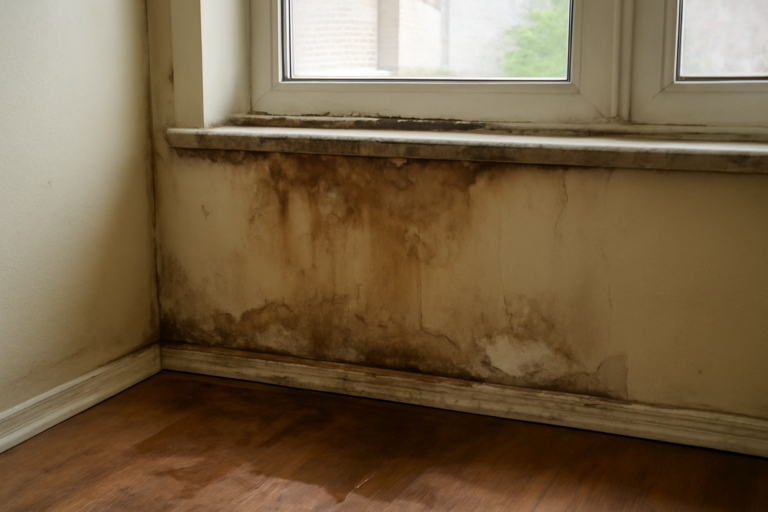
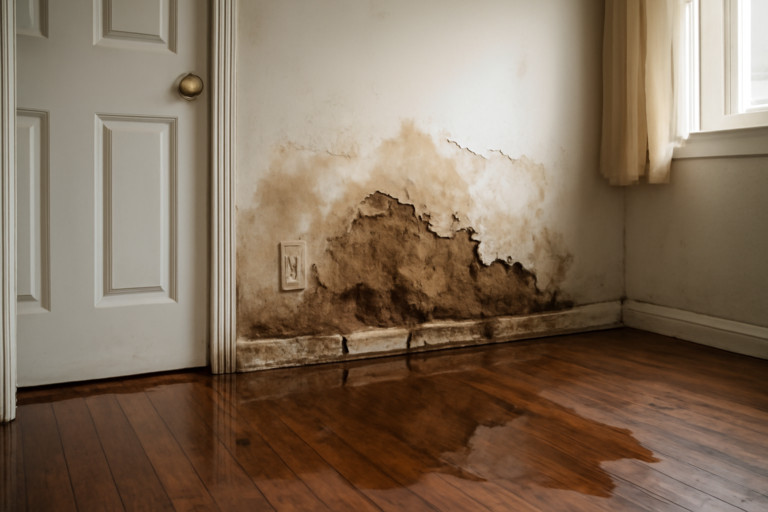
Trusted by 165+ Homeowners
Thermal Imaging Leak Detection in Suwanee, GA
- Over 165 5-Star Reviews
- Free Estimates and Quotes
- 100% Satisfaction Guaranteed
- Child, Family & Pet Safe Steps
- 24-Hour Emergency Service
- Fully Licensed & Insured
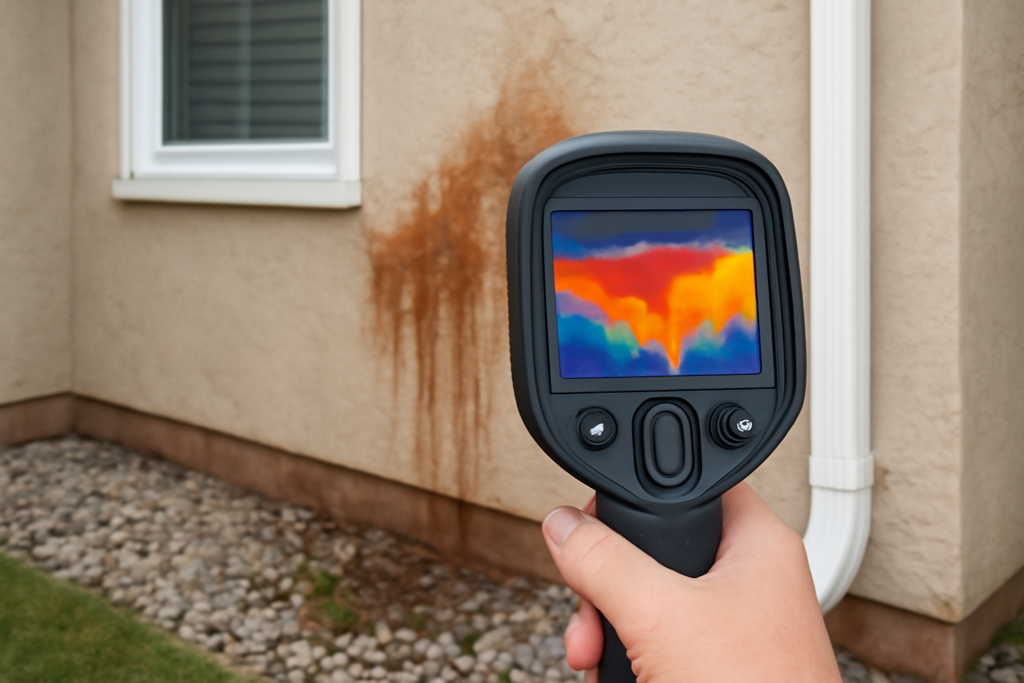
Hidden Leaks in Suwanee, GA: What You Don’t Know Can Cost You
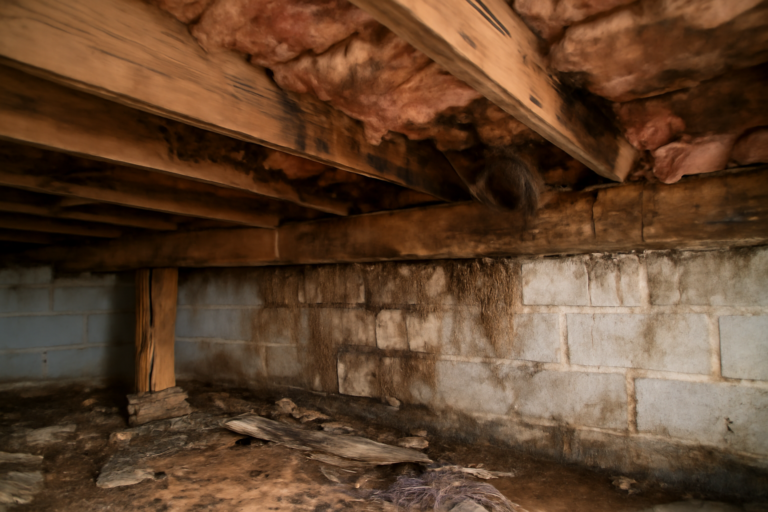
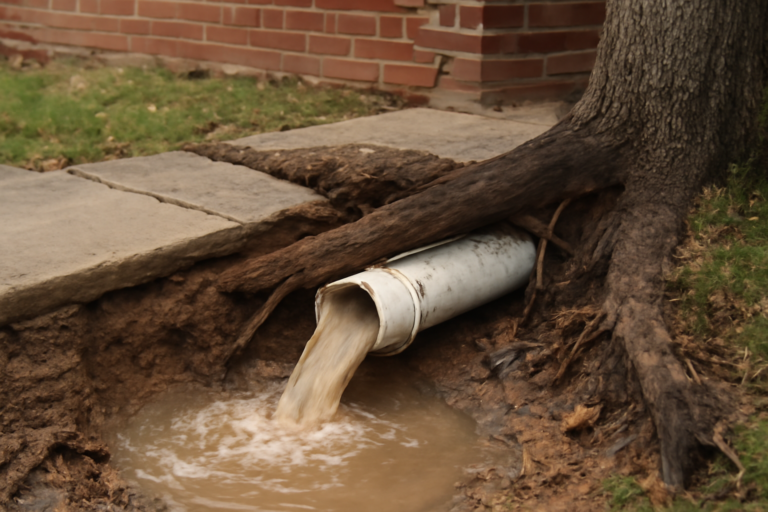
Did you know that 90% of water damage is caused by hidden leaks behind walls and under flooring? It’s a common misconception that water damage only occurs after a major flood or burst pipe. In reality, it’s often a slow-moving issue that can take months or even years to detect. By the time you notice a leak, it’s already done significant damage. As a homeowner in Suwanee, GA, it’s essential to be aware of the warning signs and take immediate action to prevent further damage. Our team has seen firsthand the devastating effects of hidden leaks, and it’s our goal to help you avoid those costly surprises.
Our team is proud to have been recognized by over 165 homeowners who’ve trusted us with their water damage restoration needs. They know that with thermal imaging leak detection, we’re the experts you can count on. Our technicians are trained to use the latest technology to scan for hidden leaks behind walls, under flooring, and in ceilings. We’ll work with your insurance company to document the damage and help you navigate the claims process.
- Thermal imaging leak detection allows us to pinpoint hidden leaks before they cause significant damage.
- We can scan for leaks in as little as 30 minutes, saving you time and money in the long run.
- Our team will work with you to create a personalized plan to address the leak and prevent further damage.
How Our Team Uses Thermal Imaging to Detect Leaks
With thermal imaging leak detection, our team takes a meticulous approach to ensure we catch every issue. We start by using specialized equipment to scan the affected area, looking for temperature differences that show a leak. Our technicians will then use infrared thermal imaging cameras to visualize the temperature differences, allowing us to pinpoint the exact location of the leak. This process typically takes around 30-60 minutes, depending on the size of the area being scanned.
Step 1: Inspection and Preparation
Our team will begin by inspecting the affected area to find out the best course of action. We’ll discuss with you the best way to proceed, considering factors such as the type of flooring, walls, or ceilings involved, as well as any potential obstacles that may impact the scan. This step typically takes around 15-30 minutes.
Step 2: Scanning with Thermal Imaging Cameras
Using specialized thermal imaging cameras, we’ll scan the affected area, looking for temperature differences that show a leak. This step typically takes around 30-60 minutes, depending on the size of the area being scanned. Our technicians will use this data to create a visual representation of the temperature differences, allowing us to pinpoint the exact location of the leak.
Step 3: Leak Identification and Documentation
Once we’ve identified the leak, we’ll work with you to document the damage and create a plan for repair. This includes taking photos and videos of the affected area, as well as writing a detailed report outlining the extent of the damage and the recommended course of action. Our team will also work with your insurance company to ensure a smooth claims process. This step typically takes around 30-60 minutes.
Step 4: Repair and Prevention
Our team will work with you to repair the leak and prevent further damage. This may involve patching walls, replacing flooring, or applying specialized coatings to prevent future leaks. We’ll also provide you with a plan for regular maintenance and inspections to ensure the issue doesn’t arise again. This step typically takes around 1-3 hours, depending on the scope of the repair.
Don’t wait until it’s too late, schedule a thermal imaging leak detection scan today and avoid costly surprises tomorrow. Our team is here to help you identify and address hidden leaks before they cause significant damage.
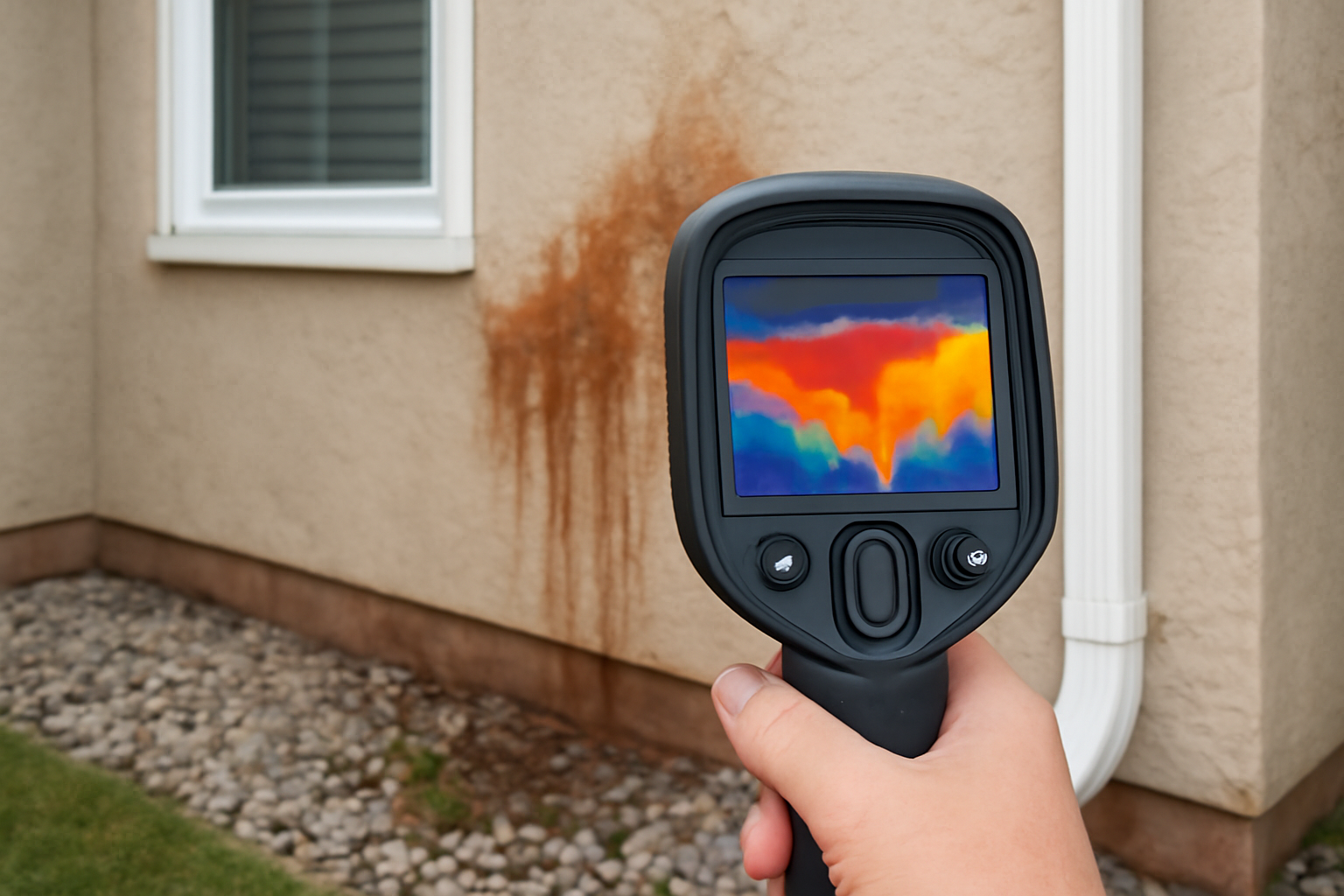
Warning Signs You Need Thermal Imaging Leak Detection
Don’t ignore these common warning signs of hidden leaks:
Musty Odors That Won’t Go Away
Strong, persistent odors in your home can show a hidden leak. These smells can come from mold, mildew, or other contaminants that thrive in damp environments. If you notice an unusual odor that persists, it’s essential to have your home scanned for hidden leaks.
Water Stains on Ceilings and Walls
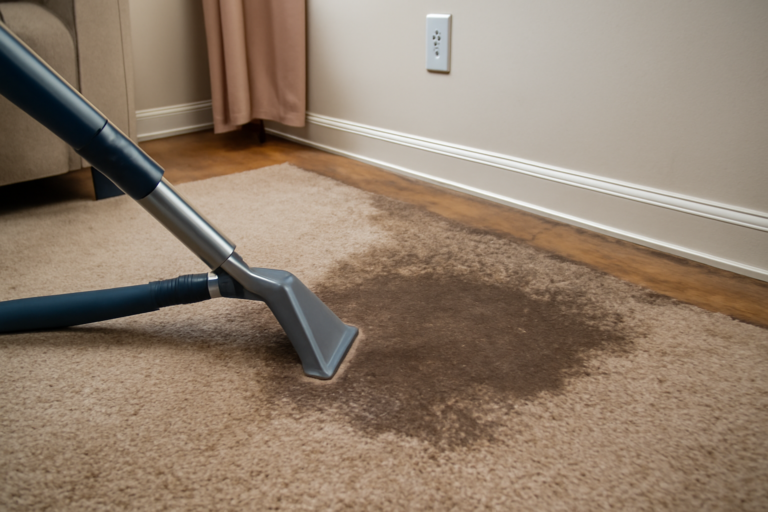
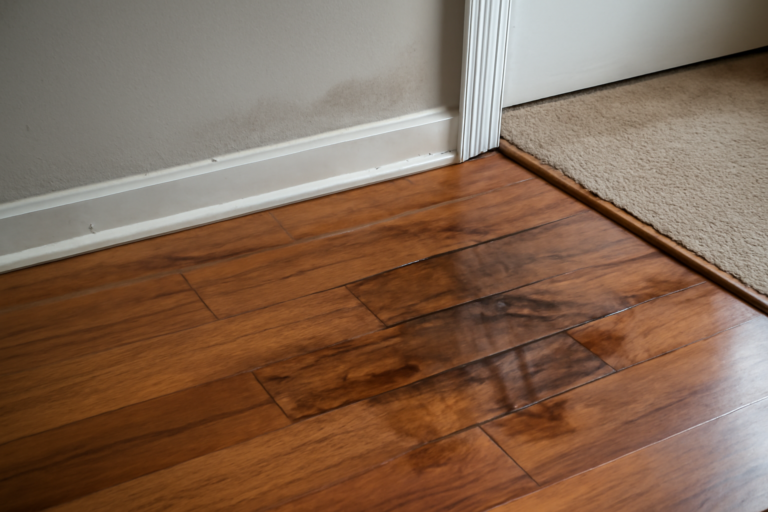
Water stains on your ceilings and walls can be a sign of a hidden leak. These stains can appear as brown or yellow discolorations and may be accompanied by warping or buckling of the surrounding material. If you notice water stains, it’s crucial to have your home inspected for leaks.
Cracks in Walls and Ceilings
Cracks in your walls and ceilings can be a sign of a hidden leak. These cracks can appear as hairline fractures or more significant gaps and may be accompanied by water stains or mineral deposits. If you notice cracks, it’s essential to have your home scanned for leaks.
Unexplained Noise or Squeaking
Unexplained noise or squeaking in your home can show a hidden leak. These sounds can come from water dripping or running through pipes, or from the expansion and contraction of materials due to moisture. If you notice unusual noise or squeaking, it’s crucial to have your home inspected for leaks.
High Water Bills
High water bills can be a sign of a hidden leak. If your water bills are consistently higher than usual, it may show that you have a leak that’s wasting water and driving up your costs. If you notice high water bills, it’s essential to have your home scanned for leaks.
Thermal Imaging Leak Detection vs. DIY: When To Call a Professional
| Situation | DIY? | Call a Pro? | Why |
|---|---|---|---|
| Small leak in a bathroom | Yes | No | DIY fixes are usually enough for small leaks in easily accessible areas. |
| Hidden leak behind a wall | No | Yes | Hidden leaks need specialized equipment and expertise to detect and repair. |
| Large leak in a basement | No | Yes | Large leaks need immediate attention and specialized equipment to prevent further damage. |
With thermal imaging leak detection, it’s essential to call a professional when you’re unsure about the severity of the leak or when the leak is hidden behind a wall or under flooring. Our team has the expertise and equipment to detect and repair these issues quickly and effectively.
Thermal Imaging Leak Detection Cost in Suwanee, GA
The cost of thermal imaging leak detection in Suwanee, GA will vary depending on the severity of the leak and the size of the affected area. Our team offers competitive pricing for this service, and we’ll work with you to create a personalized plan to address the leak and prevent further damage. Here’s a breakdown of the typical costs associated with thermal imaging leak detection:
| Service | Typical Price Range | What Affects Cost |
|---|---|---|
| Scanning for hidden leaks | $200 – $1,000 | Size of the affected area, severity of the leak, and local conditions |
| Repairing a small leak | $500 – $2,500 | Size of the affected area, type of materials involved, and complexity of the repair |
| Repairing a large leak | $2,000 – $10,000 | Size of the affected area, type of materials involved, and complexity of the repair |
The cost of thermal imaging leak detection in Suwanee, GA will depend on the specifics of your case. We’ll provide you with a detailed estimate and work with you to create a plan to address the leak and prevent further damage.
Service Areas Near Suwanee, GA
We serve the following nearby communities: Alpharetta, Brookhaven, Chamblee, Doraville, Dunwoody, Johns Creek, Milton, Roswell, Sandy Springs, and Stone Mountain.
Common Questions About Thermal Imaging Leak Detection
Q: Is thermal imaging leak detection covered by insurance?
A: Yes, thermal imaging leak detection is typically covered by insurance policies for water damage. Our team will work with your insurance company to document the damage and help you navigate the claims process.
Q: How long does thermal imaging leak detection take?
A: The length of time required for thermal imaging leak detection varies depending on the size of the affected area and the severity of the leak. Our team typically takes around 30-60 minutes to scan the affected area and identify the leak.
Q: Is thermal imaging leak detection safe?
A: Yes, thermal imaging leak detection is a safe and non-invasive process. Our team uses specialized equipment to scan the affected area, and we’ll work with you to create a plan to repair the leak and prevent further damage.
Q: Can I prevent leaks with regular maintenance?
A: Yes, regular maintenance can help prevent leaks. Our team recommends inspecting your home’s plumbing and fixtures regularly to catch issues before they become major problems.
Check Our Other Relevant Services

Raymond Katzman is a licensed Damage Restoration Expert with over 20 years of hands-on experience in disaster recovery and structural mitigation. As a seasoned industry authority, Raymond has dedicated two decades to mastering the technical complexities of environmental safety, providing property owners with the reliable expertise and steady leadership required to navigate high-stress losses with absolute confidence.
𝗖𝗲𝗿𝘁𝗶𝗳𝗶𝗰𝗮𝘁𝗶𝗼𝗻𝘀: Raymond holds elite IICRC credentials, including Water Damage Restoration (WRT), Applied Structural Drying (ASD), Mold Remediation (AMRT), Fire and Smoke Restoration (FSRT), and Odor Control (OCT).
𝗙𝗮𝘃𝗼𝗿𝗶𝘁𝗲 𝗣𝗮𝘀𝘁𝗶𝗺𝗲: When off-site, Raymond is a passionate landscape photographer and woodworker, hobbies that reflect the patience, focus, and keen eye for detail he brings to every restoration project.
𝗕𝗲𝘀𝘁 𝗣𝗮𝗿𝘁 𝗼𝗳 𝘁𝗵𝗲 𝗷𝗼𝗯: He finds the most fulfillment in providing a clear path forward for families, turning a site of devastation back into a safe, comfortable, and healthy home.