Duluth, GA · Gwinnett County
Basement Water Removal in Duluth, GAEmergency Basement Flooding & Basement Drying Services
Basement Water Removal in Duluth covers basement water pump out, basement wall drying and basement dehumidification after a flood.
Answered 24/7
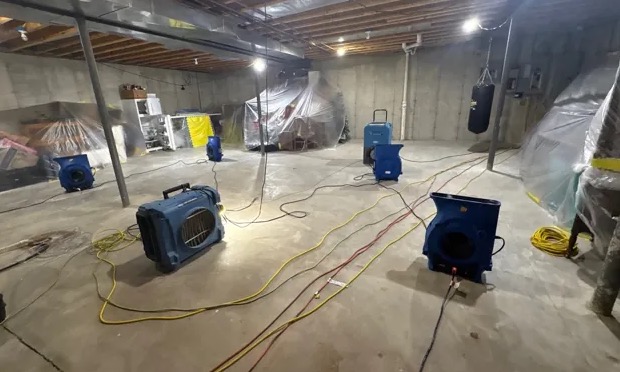
Basement Water Removal Solutions for Duluth Homeowners
In Duluth, a burst pipe or heavy rain can let water rise fast in a basement. The water usually spreads from the low point across the whole floor and into finished rooms.
Homes in Duluth and nearby Johns Creek, Peachtree Corners and Suwanee with basements face storm seepage, sewer backups and plumbing leaks. Help with basement water removal covers pump-out, wall and floor drying and dehumidification.
Basement Water Removal Services in Duluth
Emergency Basement Flooding
Help is available any hour when water is rising in the basement from a storm, a sewer backup or a burst pipe.
Basement Drying Services
Drying plans for basements account for cool air and thick concrete, which hold moisture longer than upper floors.
Sump Pump Failure Water Cleanup
Cleanup after a sump failure includes drying the area around the pit and noting whether the pump, switch or power was the cause.
Basement Dehumidification
Large dehumidifiers pull moisture from basement air, which lets walls, framing and the slab release the water they absorbed.
Basement Water Pump Out
When water is more than an inch or two deep, pumps move it far faster than wet vacs, which limits how long walls sit in water.
Signs of Basement Water Damage in Duluth
Gurgling Sounds From Drains
Gurgling floor drains or slow drains can be an early sign of a sewer line problem.
Mold or Mildew
Dark spots on drywall, framing or stored items mean the area has stayed wet for days.
Musty Odors and Mold Smell
A musty or damp smell in the basement points to wet materials hidden somewhere in the space.
Rusted Appliances or Furniture
Rust on appliance bases, furniture legs or metal shelving points to standing water or long-term dampness.
How Basement Water Removal Works in Duluth
Step 1: Safety Assessment and Pump Out
Electrical hazards are checked, then deep water is pumped outside away from the foundation.
Step 2: Content Removal and Damage Documentation
Wet belongings are moved, and photos record the water level and damaged materials.
Step 3: Targeted Water Removal and Drying
Carpet is extracted, wet drywall is cut back and air is aimed at walls and the slab.
Step 4: Sanitization and Moisture Control
Surfaces touched by dirty water are disinfected, and dehumidifiers keep humidity low.
Sources of Basement Water Problems
Clogged or Damaged Gutters
Clogged gutters and short downspouts dump roof water right next to the foundation.
Plumbing Leaks or Pipe Bursts
Supply lines, drain pipes and water heaters in the basement can leak or burst onto the floor.
Foundation Cracks and Seepage
Cracks in foundation walls and the slab let groundwater seep in during wet weather.
Improper Landscape Grading
Soil that slopes toward the house directs rainwater straight to the basement walls.
Basement Water Removal for Homes and Businesses
Residential Basement Water Removal
Older homes with a basement may see seepage with every heavy storm. Water removal handles the current damage, and the entry point is noted for a waterproofing contractor.
Commercial Basement Water Removal
Multi-unit buildings with shared basements need each storage and laundry area pumped, dried and documented for the property manager.
The Risks of DIY Basement Water Removal
You can move belongings up off the floor and run the dehumidifier you already own. Drying soaked walls and slab needs larger equipment and readings to confirm the job is done.
Understanding Basement Water Removal Pricing
Waterproofing and drainage work are separate costs. In Duluth, they may be needed to stop the next flood.
Additional Services
Antimicrobial treatment, contents cleaning and repairs after drying add to the cost.
Time of Service
Night, weekend and storm calls can cost more than a scheduled weekday visit.
Affected Materials
Finished walls, carpet and laminate take more removal work than bare concrete.
Does Insurance Cover Basement Water Removal?
Many homeowner policies cover sudden basement water from a burst pipe but not groundwater seepage. Sewer backup coverage is often an add-on, so check yours.
Why Duluth Homeowners Trust Local Pros for Basement Water Removal
Industry Drying Standards
Water removal and drying follow industry water damage standards, with readings at every visit.
Methodical Water Removal Process
Water is removed in a set order: pump-out, extraction, removal of soaked materials, then drying.
Moisture Inspection
Meters and thermal cameras find water in walls, floors and slab that looks dry.
24/7 Basement Water Removal When You Need It
The faster a basement is pumped out, the more can be saved. Call (678) 672-1781 for basement water removal in Duluth as soon as you see water.
Call Now (678) 672-1781Basement Water Removal Near Duluth: Areas Served
Besides Duluth, local basement drying experts handle basement pump-outs, wall drying and dehumidification in nearby Johns Creek, Peachtree Corners and Suwanee.
- Basement Water Removal in Johns Creek
- Basement Water Removal in Peachtree Corners
- Basement Water Removal in Suwanee
- Basement Water Removal in Norcross
- Basement Water Removal in Lilburn
- Basement Water Removal in Lawrenceville
- Basement Water Removal in Buford
- Basement Water Removal in Alpharetta
- Emergency Damage Restoration in 30026
- Storm Damage Restoration in 30026
- Water Damage Restoration in 30026
- Water Extraction Service in 30026
- Water Leak Detection in 30026
- Water Removal Service in 30026
- Emergency Damage Restoration in 30095
- Storm Damage Restoration in 30095
Basement Water Removal in Duluth: Your Questions
What is involved in basement water removal?
Making power safe, pumping out standing water, extracting floors and carpet, removing soaked materials and dehumidifying until dry.
How is basement wall drying done?
Wet drywall is cut back, insulation removed and directed airflow and dehumidifiers dry the studs and masonry.
Does basement flood cleanup include mold prevention?
Fast drying is the main prevention. Wood and concrete that stayed wet can be treated with an antimicrobial once dry.
What should I do right after basement flooding?
Make power safe, avoid sewage, move belongings above the water, take photos and call for water removal.
What is involved in basement leak cleanup?
Stopping the leak, extracting the water, drying the floor and walls and checking for hidden moisture under flooring.