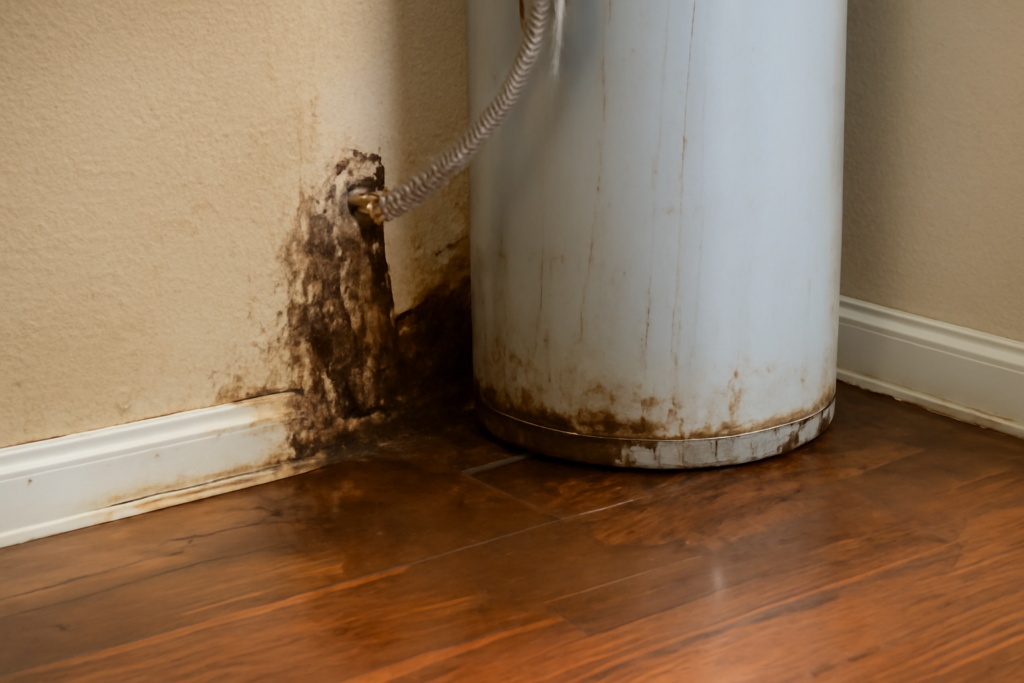
Water Heater Leak Water Removal in Zebulon, GA
Trusted by 165+ Homeowners
Water Heater Leak Water Removal in Zebulon, GA: What You Need to Know
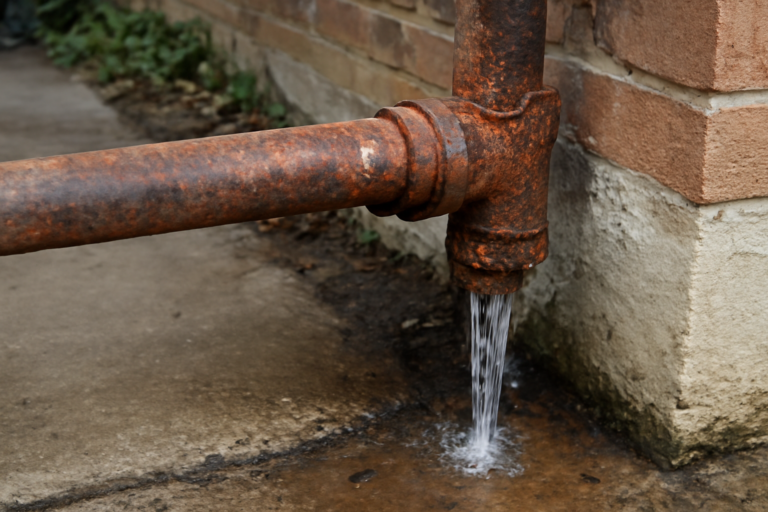
Did you know that a single water heater leak can cause up to $5,000 in damages, according to industry estimates? That’s right, a small leak can quickly turn into a big problem if not addressed quickly. Our team has seen it happen time and time again in homes like yours in the area, which is why we want to educate you on the importance of acting fast and doing it right.
Our team has helped over 165 homeowners in Zebulon, GA and the surrounding areas with their water heater leak water removal needs, and we’re proud to have a 5-star rating from our satisfied customers. We know that when you’re dealing with a water heater leak, you need a team that’s responsive trustworthy and efficient.
- Water Heater Leak Water Removal is not just about fixing the leak – it’s about preventing further damage and ensuring your home is safe and healthy. Our team uses advanced equipment and techniques to dry out your home and prevent mold growth.
- Don’t wait until it’s too late – a water heater leak can quickly cause significant damage to your home and belongings. Our team is available 24/7 to respond quickly and start the repair process as soon as possible.
- Our team is IICRC certified and has the training and expertise to handle even the toughest water heater leak water removal jobs. We’ll work with your insurance company to ensure you get the coverage you need.
How Our Water Heater Leak Water Removal Process Works
Our team follows a step-by-step process to ensure that every water heater leak water removal job is done correctly and efficiently. We’ll arrive quickly and assess the damage to find out the best course of action. From there, we’ll extract the water and dry out your home using advanced equipment.
Step 1: Emergency Response
When you call us, our team will respond quickly to assess the damage and start the repair process as soon as possible. We’ll arrive with the right equipment to extract the water and dry out your home.
Step 2: Water Extraction
We’ll extract the water using advanced equipment, including trucks-mounted pumps and submersible pumps. This will prevent further damage and reduce the risk of mold growth.
Step 3: Drying and Dehumidification
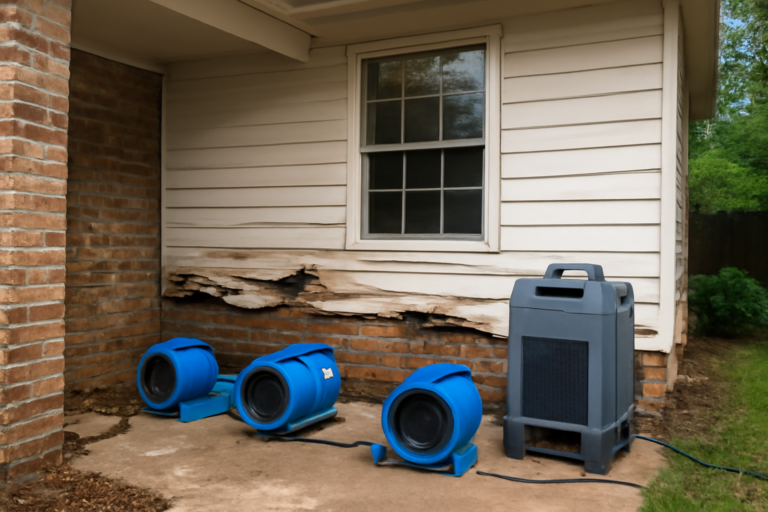
We’ll dry out your home using advanced equipment, including dehumidifiers and air movers. This will prevent mold growth and ensure your home is safe and healthy.
Step 4: Cleaning and Sanitizing
We’ll clean and sanitize your home to remove any bacteria or mold that may have grown as a result of the leak. This will ensure your home is safe and healthy.
Step 5: Repair and Restoration
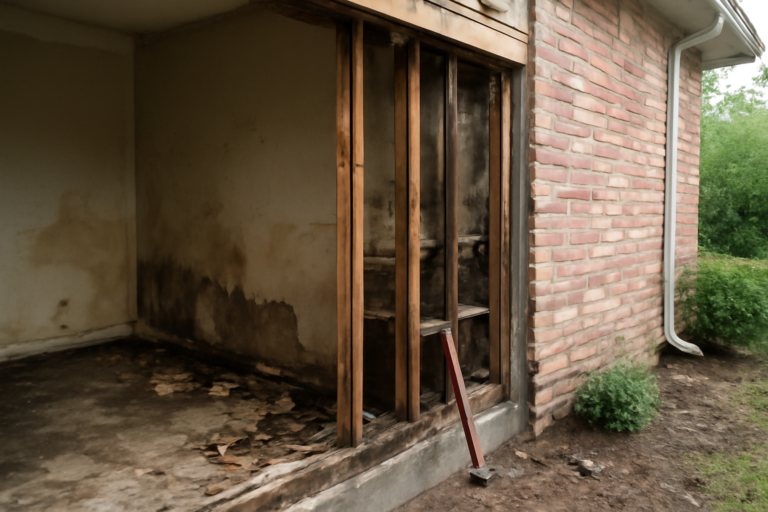
Finally, we’ll repair and restore your home to its original condition. This may include replacing damaged drywall fixing flooring and repainting walls.
Don’t wait until it’s too late – call us today to schedule your water heater leak water removal service. Our team is available 24/7 to respond quickly and start the repair process as soon as possible.
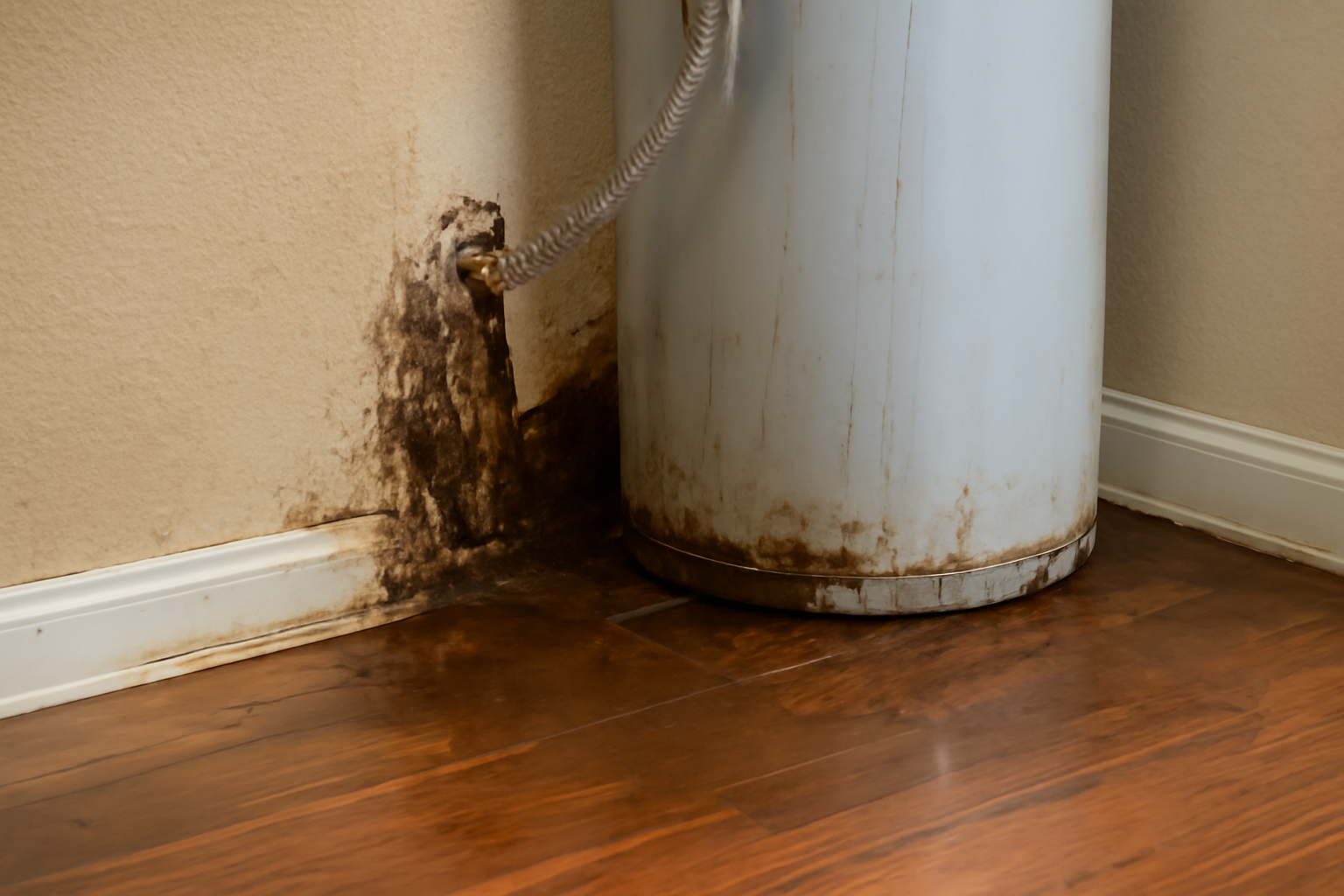
Warning Signs You Need Water Heater Leak Water Removal
Don’t wait until it’s too late – catch these warning signs early to prevent further damage and reduce the risk of mold growth.
Musty Odors That Won’t Go Away
Strong, musty odors can be a sign of mold growth in your home. If you notice unpleasant odors that won’t go away, it’s time to call us for water heater leak water removal.
Warped or Buckled Flooring
Warped or buckled flooring can be a sign of water damage from a water heater leak. If you notice uneven flooring or water stains it’s time to call us for water heater leak water removal.
Visible Water Stains
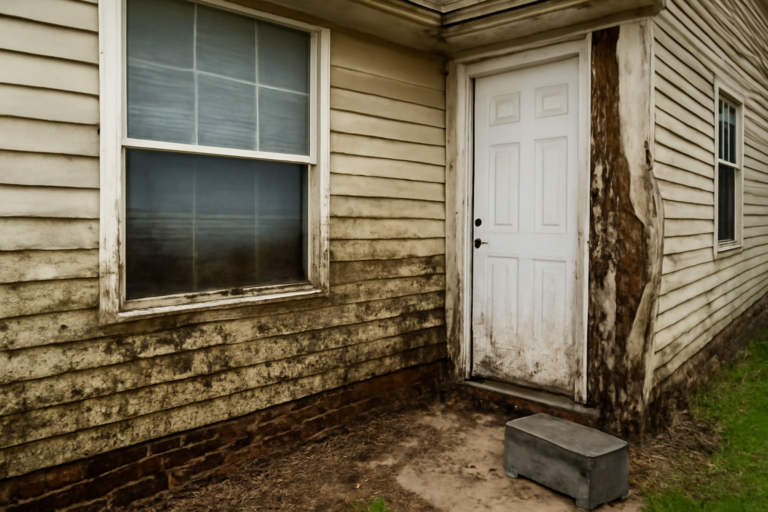
Visible water stains can be a sign of water damage from a water heater leak. If you notice water stains on your walls or ceiling, it’s time to call us for water heater leak water removal.
Increased Water Bills
Increased water bills can be a sign of hidden water leaks in your home. If you notice higher than usual water bills it’s time to call us for water heater leak water removal.
Water Heater Leak Water Removal vs. DIY: When To Call a Professional
| Situation | DIY? | Call a Pro? | Why |
|---|---|---|---|
| Small leak in a single pipe | Yes | No | You can likely fix the leak yourself with a wrench and some plumbing knowledge. |
| Large leak in multiple pipes | No | Yes | A large leak needs specialized equipment and expertise to fix safely and effectively. |
| Hidden leak behind a wall | No | Yes | A hidden leak needs specialized equipment and expertise to detect and fix safely and effectively. |
| Leak in a high-pressure pipe | No | Yes | A high-pressure pipe leak needs specialized equipment and expertise to fix safely and effectively. |
| Leak in a confined space | No | Yes | A confined space leak needs specialized equipment and expertise to fix safely and effectively. |
Don’t risk your safety and the integrity of your home by trying to fix a water heater leak yourself. Call us today to schedule your water heater leak water removal service and let our team of experts handle the job.
Water Heater Leak Water Removal Cost In Zebulon, GA
The cost of water heater leak water removal can vary depending on the severity of the leak, the size of the affected area, and the local conditions in Zebulon, GA. On average, you can expect to pay between $500 and $2,500 for a water heater leak water removal service. But, this cost can be higher or lower depending on the specific circumstances of your case.
| Service | Typical Price Range | What Affects Cost |
|---|---|---|
| Water extraction | $500 – $1,000 | The size of the affected area and the amount of water extracted. |
| Drying and dehumidification | $1,000 – $2,000 | The size of the affected area and the amount of time required to dry the area. |
| Cleaning and sanitizing | $500 – $1,000 | The size of the affected area and the level of contamination. |
| Repair and restoration | $1,000 – $2,500 | The extent of the damage and the materials required for repair. |
The cost of water heater leak water removal can vary depending on the specific circumstances of your case. Call us today to schedule an on-site assessment and get a free estimate for your water heater leak water removal service.
Service Areas Near Zebulon, GA
We serve the following areas near Zebulon, GA: Alpharetta, Atlanta, Austell, Calhoun, Cartersville, Dallas, Douglasville, Dunwoody, Fairburn, Fayetteville, Kennesaw, Lawrenceville, Lilburn, Loganville, Marietta, Morrow, Newnan, Norcross, Peachtree City, Powder Springs, Roswell, Sandy Springs, Smyrna, Snellville, Stockbridge, Tucker, Woodstock.
Common Questions About Water Heater Leak Water Removal
Q: How long does water heater leak water removal take?
A: The length of time required for water heater leak water removal can vary depending on the severity of the leak and the size of the affected area. But, on average, you can expect the process to take anywhere from 3-5 days to complete. Our team will work efficiently to reduce downtime and get your home back to normal as quickly as possible.
Q: Will my insurance cover water heater leak water removal?
A: Yes, your insurance may cover water heater leak water removal if the leak was caused by a sudden and accidental event, such as a burst pipe. But, it’s essential to review your policy and contact your insurance company to find out the specifics of your coverage.
Q: Can I prevent water heater leaks from happening in the first place?
A: Yes, there are several steps you can take to prevent water heater leaks from happening in the first place. Regular maintenance, such as checking for signs of wear and replacing worn-out parts can help extend the life of your water heater and reduce the risk of leaks. Also, installing a water heater leak detection system can provide an added layer of protection against leaks.
Q: What happens if I don’t address a water heater leak quickly?
A: If you don’t address a water heater leak quickly, it can lead to significant damage to your home and belongings. Water can seep into walls, floors, and ceilings, causing warped or buckled flooring water stains and mold growth. In extreme cases, a water heater leak can even lead to electrical shock or fire hazards.
Check Our Other Relevant Services
Serving Zebulon, GA And Nearby Areas