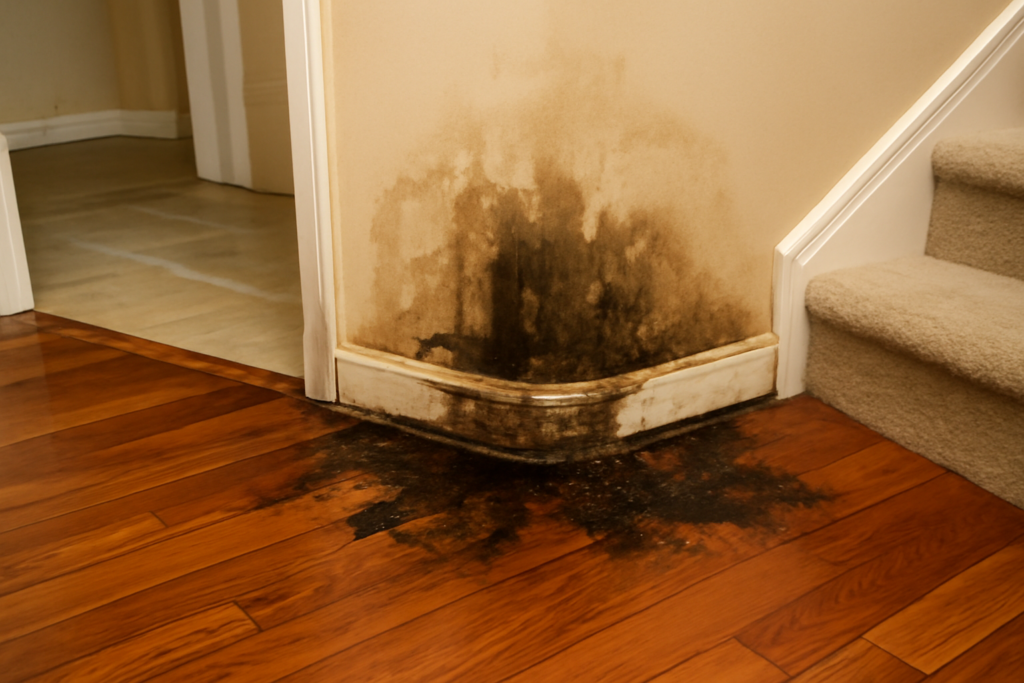
Slab Leak Water Removal in Lilburn, GA
Trusted by 165+ Homeowners
Slab Leak Water Removal in Lilburn, GA: A Crisis Averted
As you step into your home, you’re greeted by the musty smell of dampness. You follow the stench to the laundry room and find yourself staring at a puddle of water spreading across the floor. The humid air clings to your skin, making you realize that the slab leak beneath your home’s foundation is a ticking time bomb. You need help fast, or you’ll be facing a costly mess and potential structural damage. Our team is here to guide you through the process of Slab Leak Water Removal, ensuring that you’re not left high and dry.
We’ve helped over 165 homeowners in Lilburn, GA, and the surrounding areas trust our team with their Slab Leak Water Removal needs. Our IICRC-certified technicians use the latest equipment to detect moisture, assess damage, and restore your home to its former glory.
- We’ll locate the source of the leak and contain it to prevent further damage.
- Our equipment is designed to dry your home quickly, reducing the risk of mold growth and secondary damage.
- We’ll work with your insurance provider to ensure a smooth claims process, so you can focus on getting your life back to normal.
How Our Slab Leak Water Removal Service Works
A proper Slab Leak Water Removal process needs attention to detail, specialized equipment, and a deep understanding of the underlying causes of the leak. Our team will assess your home’s foundation, locate the source of the leak, and develop a customized plan to contain and dry the affected area. We’ll use thermal imaging cameras to detect hidden moisture, ensuring that every inch of your home is dry and safe.
Step 1: Assessing the Leak
Our technicians will begin by inspecting your home’s foundation, searching for signs of water damage, and using specialized equipment to detect hidden moisture. This step is crucial in determining the extent of the leak and identifying potential hotspots for further damage. We’ll use a moisture meter to measure the level of humidity in the affected area, ensuring that we’re not overlooking any hidden pockets of water.
Step 2: Containing the Leak
Once we’ve identified the source of the leak, our team will work to contain it using specialized equipment and techniques. We’ll use a containment system to prevent further water damage, ensuring that your home remains safe and secure. Our goal is to prevent any more damage, so we’ll work quickly to contain the leak and begin the drying process.
Step 3: Drying the Affected Area
With the leak contained, our team will focus on drying the affected area using specialized equipment and techniques. We’ll use industrial-grade drying fans, dehumidifiers, and air movers to remove moisture from the air and speed up the drying process. Our goal is to reduce the risk of mold growth and secondary damage, ensuring that your home is safe and secure.
Step 4: Cleaning and Sanitizing
Once the affected area is dry, our team will clean and sanitize the space to prevent any lingering bacteria or mold growth. We’ll use eco-friendly cleaning products and specialized equipment to ensure that your home is safe and healthy.
Step 5: Final Inspection and Certification
With the cleaning and sanitizing process complete, our team will conduct a final inspection to ensure that your home is safe and secure. We’ll provide you with a certification of completion, so you can rest assured that your home is ready for occupancy.
Don’t wait until it’s too late. Contact our team today to schedule a free consultation and assessment. We’ll work with you to develop a customized plan to contain and dry your home, ensuring that you’re not left high and dry.

Warning Signs You Need Slab Leak Water Removal
Ignoring the warning signs of a slab leak can lead to costly damage and potential health risks. Don’t wait until it’s too late. Here are some common signs that show you need Slab Leak Water Removal:
Musty Odors That Won’t Go Away
A persistent musty smell can show that your home has a slab leak. Don’t ignore this warning sign, as it can lead to mold growth and secondary damage. Our team will locate the source of the leak and contain it to prevent further damage.
Water Stains on Your Ceiling or Walls
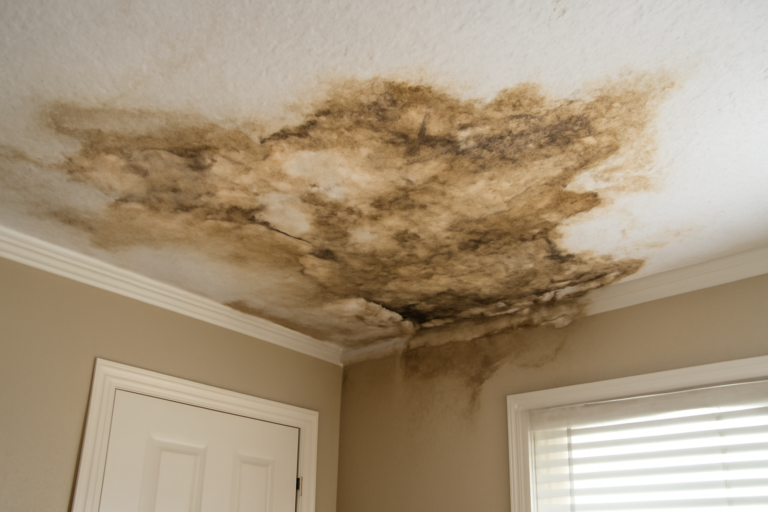
Water stains on your ceiling or walls can show that your home has a slab leak. Don’t wait until it’s too late, as this can lead to expensive repairs and potential health risks. Our team will assess your home’s foundation and develop a customized plan to contain and dry the affected area.
Cracks in Your Flooring or Foundation
Cracks in your flooring or foundation can show that your home has a slab leak. Don’t ignore this warning sign, as it can lead to further damage and potential health risks. Our team will assess your home’s foundation and develop a customized plan to contain and dry the affected area.
Unusual Water Bills or High Water Pressure
Unusual water bills or high water pressure can show that your home has a slab leak. Don’t wait until it’s too late, as this can lead to expensive repairs and potential health risks. Our team will assess your home’s foundation and develop a customized plan to contain and dry the affected area.
Visible Water Damage or Leaks
Visible water damage or leaks can show that your home has a slab leak. Don’t ignore this warning sign, as it can lead to further damage and potential health risks. Our team will assess your home’s foundation and develop a customized plan to contain and dry the affected area.
Slab Leak Water Removal vs. DIY: When To Call a Professional
| Situation | DIY? | Call a Pro? | Why |
|---|---|---|---|
| Visible water damage or leaks | No | Yes | DIY repairs can lead to further damage and potential health risks. |
| Cracks in your flooring or foundation | No | Yes | Ignoring these warning signs can lead to costly repairs and potential health risks. |
| Unusual water bills or high water pressure | Maybe | Yes | DIY repairs can lead to further damage and potential health risks, especially if you’re not experienced in water damage restoration. |
| Musty odors that won’t go away | No | Yes | Ignoring these warning signs can lead to mold growth and secondary damage. |
| Water stains on your ceiling or walls | No | Yes | DIY repairs can lead to further damage and potential health risks, especially if you’re not experienced in water damage restoration. |
Don’t wait until it’s too late. Contact our team today to schedule a free consultation and assessment. We’ll work with you to develop a customized plan to contain and dry your home, ensuring that you’re not left high and dry.
Slab Leak Water Removal Cost in Lilburn, GA
The cost of Slab Leak Water Removal can vary based on the severity of the leak, the size of the affected area, and local conditions in Lilburn, GA. Our estimates are based on real-world costs and are designed to help you plan your budget.
| Service | Typical Price Range | What Affects Cost |
|---|---|---|
| Assessment and Inspection | $500-$2,000 | The severity of the leak and the size of the affected area |
| Containment and Drying | $1,000-$5,000 | The size of the affected area and the type of equipment needed |
| Cleaning and Sanitizing | $500-$2,000 | The type of cleaning products and equipment used |
| Final Inspection and Certification | $200-$1,000 | The level of detail required for the final inspection |
Exact pricing will depend on an on-site assessment, and we offer free estimates to help you plan your budget. Contact our team today to schedule a consultation and assessment.
Service Areas Near Lilburn, GA
We serve the following nearby communities: Suwanee, GA, Duluth, GA, Norcross, GA, Stone Mountain, GA, Tucker, GA, Snellville, GA, Lawrenceville, GA, Dacula, GA, Braselton, GA, Hoschton, GA, Jefferson, GA, Commerce, GA, Gainesville, GA, Flowery Branch, GA, Buford, GA, Sugar Hill, GA, Oakwood, GA, Winder, GA, Auburn, GA.
Common Questions About Slab Leak Water Removal
Q: What causes slab leaks?
A: Slab leaks can be caused by a variety of factors, including age, wear and tear, and poor installation. Our team will assess your home’s foundation to find out the underlying cause of the leak.
Q: How long does Slab Leak Water Removal take?
A: The length of the Slab Leak Water Removal process can vary based on the severity of the leak and the size of the affected area. Our team will work to contain and dry your home as quickly as possible, reducing the risk of mold growth and secondary damage.
Q: Is Slab Leak Water Removal covered by insurance?
A: Yes, Slab Leak Water Removal may be covered by your insurance policy. Our team will work with your insurance provider to ensure a smooth claims process, so you can focus on getting your life back to normal.
Q: Can I prevent slab leaks?
A: While it’s impossible to completely prevent slab leaks, there are steps you can take to reduce the risk. Regular maintenance, inspections, and repairs can help extend the life of your home’s foundation and prevent costly repairs.
Check Our Other Relevant Services
Serving Lilburn, GA And Nearby Areas