Tyrone, GA · Fayette County
Septic Tank Backup Water Removal in Tyrone, GASeptic Backup Sewage Cleanup & Emergency Septic Backup Response
Septic Tank Backup Water Removal in Tyrone includes emergency septic backup response, septic backup sewage cleanup, and septic system water damage repair for properties in Tyrone.
Answered 24/7
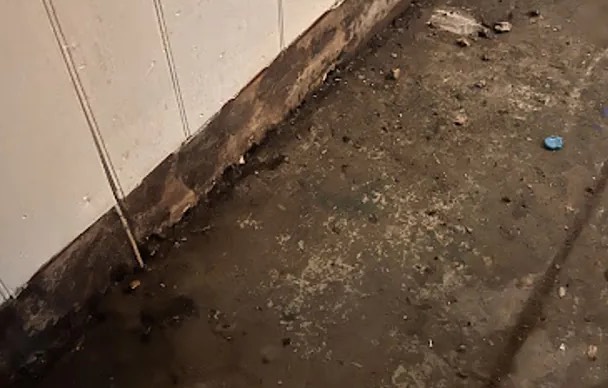
Professional Septic Tank Backup Water Removal in Tyrone, GA
Emergency septic backup service in Tyrone responds to the urgent need to remove hazardous water from living spaces. The overflow creates an immediate environment unfit for occupancy.
Septic tank backup water removal services in Tyrone are vital for homes that rely on septic systems, which can fail due to blockages or heavy use. Properties in nearby areas like Peachtree City, Palmetto and Fairburn also face similar risks from septic overflows.
Septic Tank Backup Water Removal Services in Tyrone
Septic Backup Sewage Cleanup
Local water damage restoration pros clean up the sewage and treat every surface it touched to reduce health risks.
Emergency Septic Backup Response
For a septic backup emergency, the pros respond day or night to start the extraction and cleanup process.
Septic Tank Drain Backup Cleanup
The pros use equipment designed to handle the challenging nature of this contaminated water. This specialized cleanup addresses the solids and organic waste that have backed up into drains.
Septic Backup Odor Removal
The pros tackle septic backup odors by treating affected structural materials and deodorizing the air. Effective odor removal is a key final step before reconstruction can be considered complete.
Septic System Water Damage Repair
Repair work addresses structural components like floor joists or wall studs compromised by contaminated water. Repairs follow once the area is clean and dry.
Symptoms Requiring Septic Tank Backup Water Removal
Toilets Flush Slowly or Not at All
Weak flushing action or water rising to the rim indicates a severe septic line backup. This is a common trigger for emergency septic backup response.
Foul Odors Near the Drain Field
Persistent sewage smells around your yard or near plumbing fixtures signal a potential septic system overflow. These odors often worsen after water use.
Water Backs Up in Lowest Fixtures
Sewage or water appearing in a basement shower or floor drain is a classic sign of septic tank backup water removal being urgently needed.
Unexplained Increase in Water Bill
A sudden spike in water use without a clear cause can mean a hidden leak or a toilet running into the septic system.
How Septic Tank Backup Water Removal Works in Tyrone
Step 1: Septic Overflow Response
Local pros respond day or night and assess how far the septic water has spread.
Step 2: Septic System Water Removal
Extraction equipment removes the contaminated liquid quickly and limits the health hazard.
Step 3: Comprehensive Sewage Cleanup
Sanitizing and odor removal follow, so the space is fully decontaminated before drying.
Step 4: Repair and Documentation
The damage is documented for your insurer, and repairs address any structural harm from the backup.
Triggers for Septic Tank Backup Water Removal in Tyrone
Clogged Inlet or Outlet Baffles
Blockages at the tank's entry or exit points prevent proper flow. This disruption is a frequent reason for septic tank water extraction calls.
Flushing Non-Biodegradable Items
Wipes, hygiene products and grease build up in pipes and cause stubborn clogs that push sewage back inside.
Full or Failing Septic Tank
A tank at capacity cannot accept new wastewater, causing immediate backups into your home. Regular pumping prevents this common septic tank backup cause.
Compacted Soil Over the Drain Field
Heavy vehicles or structures parked above the leach field prevent proper drainage. This compaction causes backups.
Septic Tank Backup Water Removal for Any Property in Tyrone
Residential Septic Tank Backup Water Removal
A septic backup in a home can soak subfloors, cabinets and belongings. The pros extract the sewage, remove what cannot be cleaned, disinfect and dry, and document the damage for your claim.
Commercial Septic Tank Backup Water Removal
Offices and multi-tenant buildings on septic systems need backups cleaned up with little disruption. The pros contain the area, extract the sewage and run air scrubbers for odor.
Septic Tank Backup Water Removal vs. DIY: When to Call Water Damage Restoration Pros
For ongoing maintenance, you can schedule regular septic tank pumping every 3-5 years and avoid flushing non-degradables. If you experience recurring slow drains, a professional camera inspection is wise.
Factors Affecting Septic Tank Backup Water Removal Cost in Tyrone
The cost depends on how much floor area the septic backup covered and whether flooring, drywall or cabinets have to be removed.
Affected Materials
Porous materials like drywall or flooring that absorb septic water may require removal and disposal, adding to the project's scope and expense.
Decontamination Procedures
Thorough septic overflow decontamination involves specialized antimicrobial agents and cleaning processes, which contribute to the overall material and labor costs.
Required Water Extraction
The amount of sewage to remove sets the number of pumps and the time needed on site.
Does Insurance Cover Septic Tank Backup Water Removal?
Homeowners insurance may cover septic tank backup water removal if the backup is caused by a sudden, accidental event listed in your policy. Coverage decisions belong solely to your insurer, so you should confirm your specifics.
Benefits of Local Pros for Septic Tank Backup Water Removal
Containment Protocols
Work areas are sealed off so sewage is not tracked into clean rooms during the cleanup.
Advanced Water Extraction
Powerful pumps and truck-mounted units are used for rapid septic tank water extraction, removing the bulk of the contaminated liquid quickly.
Thorough Drain Backup Cleanup
The process addresses the septic tank drain backup completely, cleaning the affected plumbing fixtures and surrounding areas.
24/7 Emergency Septic Tank Backup Water Removal in Tyrone
A septic line backup needs professional help. For help from septic cleanup pros in your area, call (678) 672-1781 and describe what happened.
Call Now (678) 672-1781Local Septic Tank Backup Water Removal for Peachtree City, Palmetto and Fairburn
Septic backup cleanup is available throughout Fayette County. From Tyrone to areas like Peachtree City, Palmetto and Fairburn, the pros remove sewage and disinfect the affected rooms.
- Septic Tank Backup Water Removal in Peachtree City
- Septic Tank Backup Water Removal in Palmetto
- Septic Tank Backup Water Removal in Fairburn
- Septic Tank Backup Water Removal in Fayetteville
- Septic Tank Backup Water Removal in Union City
- Septic Tank Backup Water Removal in Riverdale
- Septic Tank Backup Water Removal in Newnan
- Septic Tank Backup Water Removal in Senoia
- Emergency Damage Restoration in 30290
- Storm Damage Restoration in 30290
- Water Damage Restoration in 30290
- Water Extraction Service in 30290
- Water Leak Detection in 30290
- Water Removal Service in 30290
Septic Tank Backup Water Removal Common Questions Answered
What's the risk of untreated septic tank drain backup?
Untreated backups pose significant health risks from bacteria and viruses, cause permanent structural damage, and lead to pervasive mold infestations, greatly increasing repair costs later.
What is septic tank backup water removal?
It is safely extracting contaminated water from a failed septic system, then cleaning and decontaminating the affected rooms.
How do pros document septic system water damage?
They use moisture meters, thermal imaging cameras, and photography to map affected areas, creating a detailed report for your records and potential insurance claim submission.
What does septic overflow decontamination involve?
The process uses EPA-registered disinfectants and antimicrobial cleaners on all affected surfaces to kill bacteria and viruses, ensuring the area is sanitized and safe for reoccupation after the cleanup.
What's included in emergency septic backup response?
The pros contain the hazard, extract the septic water, assess the damage and start cleanup and drying.