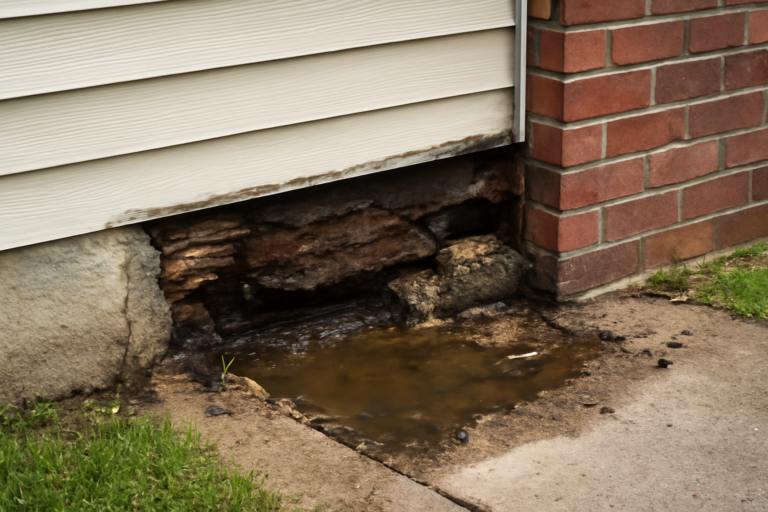
Septic Tank Backup Water Removal in Lilburn, GA
Trusted by 165+ Homeowners
Septic Tank Backup Water Removal in Lilburn, GA: What You Need to Know
Up to 60% of homeowners in the Lilburn area experience septic tank backup water removal issues at least once in their lifetime. That’s a staggering number, and it’s not just a matter of convenience, it’s a serious safety concern. When your septic tank overflows, it can cause thousands of dollars in damage and potentially put your family at risk for waterborne illnesses. It’s essential to take immediate action to prevent further damage and ensure a safe living environment.
Your neighbors trust us with their septic tank backup water removal needs, and it’s not hard to see why. We’ve served over 165 homeowners in the area, and our 5-star reviews speak for themselves. With septic tank backup water removal, you want a team that’s local, experienced, and committed to getting the job done right.
- Fast response times mean we’re on the scene within 60 minutes to prevent further damage.
- Advanced equipment allows us to extract water quickly and efficiently, reducing downtime.
- Comprehensive documentation helps you navigate the insurance claims process with ease.
How Septic Tank Backup Water Removal Works
We understand that every septic tank backup water removal situation is unique, and that’s why we approach each job with a careful and methodical process. Our team begins by assessing the extent of the damage and identifying the source of the issue. We then use advanced equipment to extract the water, followed by thorough cleaning and disinfection to prevent further contamination.
Step 1: Assessment and Equipment Setup
Within 60 minutes our team arrives on the scene and begins assessing the damage. We set up our equipment, including powerful pumps and high-capacity extractors, to ensure a thorough and efficient removal process.
Step 2: Water Extraction
Water is extracted from the affected area using our advanced equipment, which can handle up to 2 inches of standing water. We work quickly to reduce downtime and prevent further damage.
Step 3: Cleaning and Disinfection
Once the water is removed our team thoroughly cleans and disinfects the affected area to prevent further contamination. This includes sanitizing surfaces, floors, and walls to ensure a safe living environment.
Step 4: Documentation and Insurance Claims
Comprehensive documentation is key to navigating the insurance claims process. Our team ensures that all necessary paperwork is completed accurately and efficiently, helping you get the compensation you deserve.
Don’t wait contact us today to schedule your septic tank backup water removal service and take the first step towards a safe and healthy living environment.
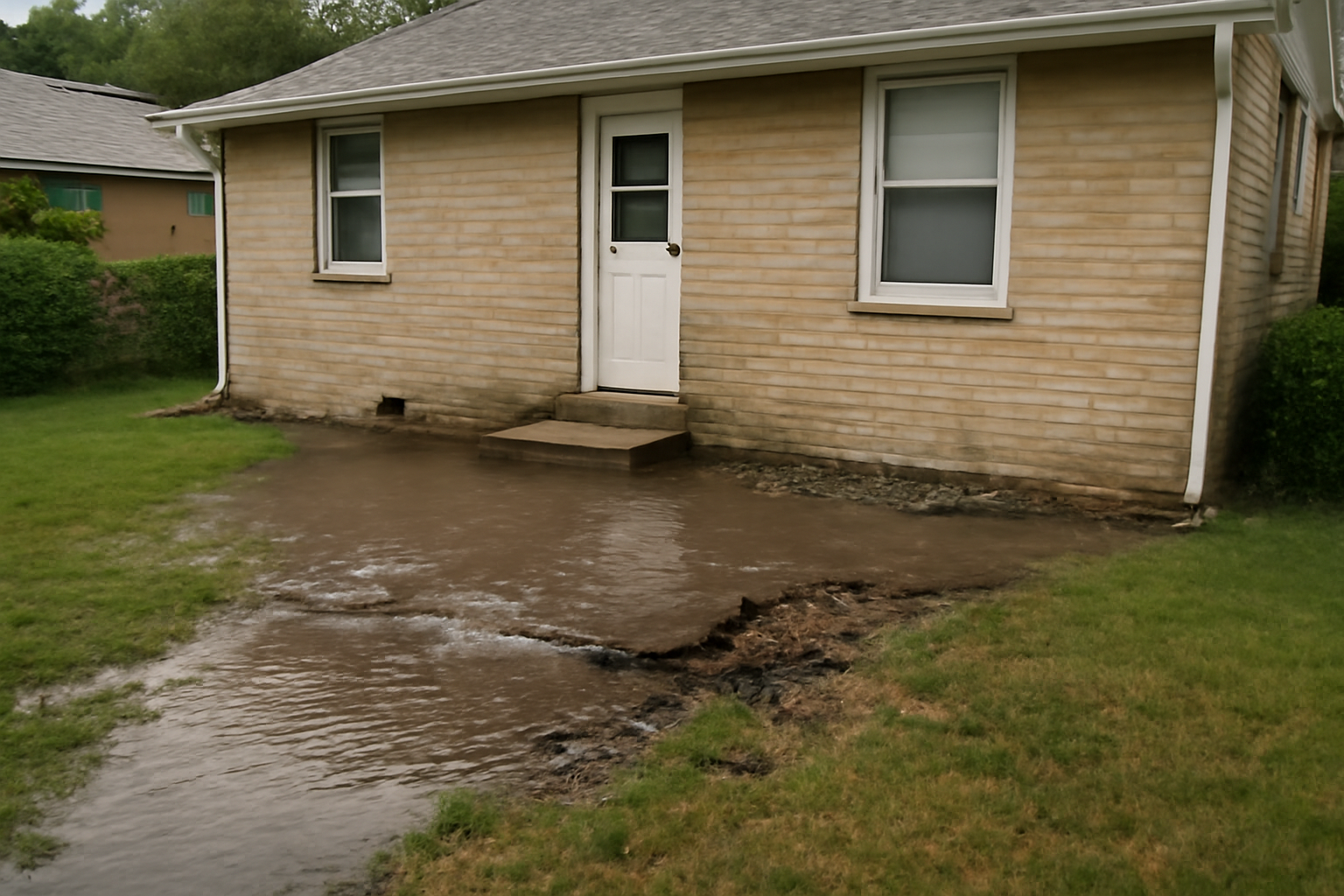
Warning Signs You Need Septic Tank Backup Water Removal
Recognizing the warning signs of a septic tank backup is crucial to preventing further damage and ensuring a safe living environment. Here are some common indicators that you need septic tank backup water removal services:
Musty Odors That Won’t Go Away
Unpleasant odors are a common sign of a septic tank issue. If you notice a persistent musty smell in your home, it’s essential to investigate further and address the issue quickly.
Slow Draining Fixtures
Slow draining sinks, toilets, and showers can be a sign of a clogged septic system. If you notice that water takes longer than usual to drain, it may be a warning sign of a more significant issue.
Water Stains and Warping
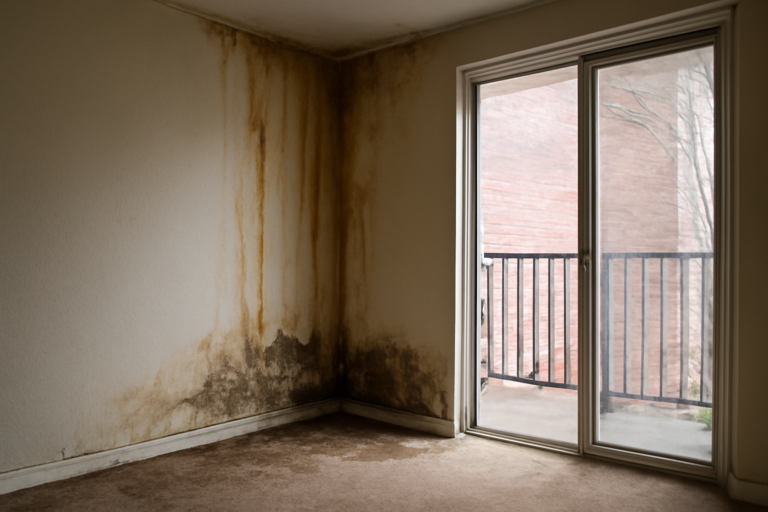
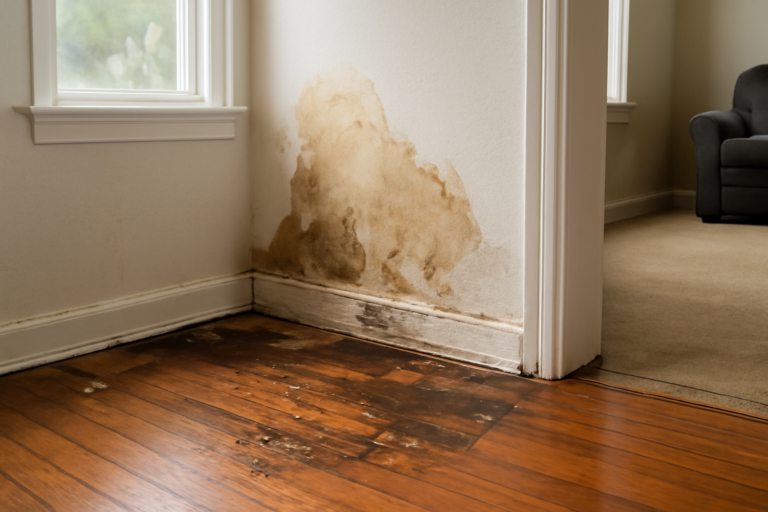
Water stains and warping on your floors and walls can be a sign of water damage caused by a septic tank backup. It’s essential to address these issues quickly to prevent further damage.
Septic System Failure
Septic system failure can be a catastrophic event, causing significant damage to your home and potentially putting your family at risk for waterborne illnesses. If you suspect a septic system failure, contact us immediately for help.
Septic Tank Backup Water Removal vs. DIY: When to Call a Professional
| Situation | DIY? | Call a Pro? | Why |
|---|---|---|---|
| Minor septic backup with minimal water damage | Yes | No | DIY is usually enough for minor issues, but be cautious not to exacerbate the problem. |
| Significant water damage with multiple affected areas | No | Yes | For severe cases, it’s essential to call a professional to prevent further damage and ensure a safe living environment. |
| Unknown or suspected septic system failure | No | Yes | When in doubt, it’s always best to err on the side of caution and call a professional to avoid potential health risks. |
Don’t risk your family’s health and your home’s integrity by trying to handle a septic tank backup water removal issue on your own. Contact us today to schedule your service and take the first step towards a safe and healthy living environment.
Septic Tank Backup Water Removal Cost in Lilburn, GA
Pricing varies based on the severity of the damage, size of the affected area, and local conditions in Lilburn, GA. Here’s a general breakdown of what you can expect:
| Service | Typical Price Range | What Affects Cost |
|---|---|---|
| Minor septic backup water removal | $500 – $2,500 | Size of affected area, type of equipment needed |
| Significant water damage with multiple affected areas | $2,500 – $10,000 | Size of affected area, type of equipment needed, labor costs |
| Unknown or suspected septic system failure | $1,000 – $5,000 | Severity of damage, type of equipment needed, labor costs |
Exact pricing depends on an on-site assessment and we offer free estimates to ensure you receive the best possible price for your septic tank backup water removal service.
Service Areas Near Lilburn, GA
We serve the following areas:
Snellville, GA, Norcross, GA, Tucker, GA, Stone Mountain, GA, Decatur, GA, Clarkston, GA, Lilburn, GA, Loganville, GA, Lawrenceville, GA, Suwanee, GA, Duluth, GA, Chamblee, GA, Brookhaven, GA, Doraville, GA, Atlanta, GA, Smyrna, GA, Vinings, GA, Dunwoody, GA, Sandy Springs, GA, Roswell, GA, Alpharetta, GA, Johns Creek, GA.
Common Questions About Septic Tank Backup Water Removal
Q: How long does septic tank backup water removal take?
A: Our team works quickly to reduce downtime, but the length of time depends on the severity of the damage and the size of the affected area. On average, our septic tank backup water removal services take 3-5 days to complete.
Q: What causes septic tank backup water removal issues?
A: Septic tank backup water removal issues can be caused by a variety of factors, including improper maintenance, clogged drains, and excessive water usage. Regular maintenance and inspections can help prevent these issues from arising.
Q: How do I prevent septic tank backup water removal issues?
A: Regular maintenance and inspections can help prevent septic tank backup water removal issues. Be sure to have your septic system inspected annually, and address any issues quickly to prevent further damage.
Q: Can I do septic tank backup water removal myself?
A: In some cases, minor septic backup water removal issues can be handled on your own. But, for more significant issues, it’s always best to call a professional to ensure a safe and healthy living environment.
Check Our Other Relevant Services
Serving Lilburn, GA And Nearby Areas