Trusted by 165+ Homeowners
Septic Tank Backup Water Removal in Fort Oglethorpe, GA
- Over 165 5-Star Reviews
- Free Estimates and Quotes
- 100% Satisfaction Guaranteed
- Child, Family & Pet Safe Steps
- 24-Hour Emergency Service
- Fully Licensed & Insured

Septic Tank Backup Water Removal in Fort Oglethorpe, GA: A Year-Round Risk
Fort Oglethorpe, GA sees an average of 4-5 inches of rainfall per month, with the majority of that coming between April and July. This excess water can put a strain on your septic system, causing backups and overflows. You might think this is a seasonal problem, but the truth is, septic tank backup water removal is a year-round risk. Our team has seen it happen in the dead of winter, when frozen ground makes it hard for water to drain. When your septic system is under pressure, it’s only a matter of time before you face costly repairs or even a full system replacement. You can prevent this by being proactive about your septic maintenance. Our technicians recommend inspecting and pumping your tank every 3-5 years, depending on usage. Strong, healthy bacteria in the tank is key, and regular maintenance helps keep them happy.
With over 165 five-star reviews from satisfied customers, you know you’re in good hands when you call our team for septic tank backup water removal. Locally owned and operated, we understand the unique challenges of septic systems in the Fort Oglethorpe, GA area. Whether it’s a minor issue or a full-scale emergency, our crews respond quickly and efficiently to get your property back to normal.
- Our team uses specialized equipment to safely remove and dispose of backup water, reducing the risk of contamination and further damage.
- We work quickly to prevent secondary damage, such as mold and mildew growth, which can lead to costly repairs down the line.
- Our septic tank backup water removal services come with a 100% satisfaction guarantee, so you can trust that the job will be done right.
How Septic Tank Backup Water Removal Works
Our process for septic tank backup water removal is designed to be efficient, effective, and safe. We understand that every situation is unique, and that’s why we tailor our approach to meet the specific needs of your property. When you call our team, we’ll dispatch a crew of trained technicians who will arrive at your property within 60 minutes. They’ll assess the situation, identify the source of the backup, and develop a plan to safely remove the contaminated water. Our goal is to get your septic system functioning properly again, and to do it in a way that protects your property and your family’s health.
Step 1: Inspection and Assessment
Our crew will inspect the affected area to find out the source and extent of the backup. This includes checking the condition of the septic tank, pipes, and drainfield. Strong, healthy bacteria in the tank is key, and regular maintenance helps keep them happy.
Step 2: Equipment Setup
We’ll set up our specialized equipment to safely remove and dispose of the backup water. This includes pumps, hoses, and other gear designed specifically for this type of job.
Step 3: Water Removal and Disposal
We’ll carefully remove the contaminated water and dispose of it according to local regulations. This is a critical step, as improper disposal can lead to further damage and contamination.
Step 4: Sanitation and Disinfection
Once the water has been removed, we’ll sanitize and disinfect the affected area to prevent the growth of bacteria, mold, and mildew. This includes using specialized cleaning agents and equipment designed to kill off any remaining pathogens.
Our team is committed to getting your septic system functioning properly again, and to doing it in a way that protects your property and your family’s health. We’ll work quickly to prevent secondary damage, such as mold and mildew growth, which can lead to costly repairs down the line.
Warning Signs You Need Septic Tank Backup Water Removal
Catching septic tank backup water removal early can save you thousands of dollars in repairs. That’s why it’s essential to recognize the warning signs and take action quickly. Here are some common signs that show you need septic tank backup water removal:
Musty Odors That Won’t Go Away
Strong, unpleasant odors emanating from your septic system can be a sign of a backup or overflow. If you notice a persistent, pungent smell coming from your drains or around the septic tank, it’s time to call our team. Don’t wait until it’s too late, as this can lead to further damage and contamination.
Slow Drains and Clogged Toilets
Clogged drains and toilets can be a sign of a septic system backup. If you notice that your drains are taking longer than usual to drain, or if your toilets are clogging frequently, it’s a good idea to call our team to assess the situation. We’ll work quickly to diagnose the issue and provide a solution to prevent further damage.
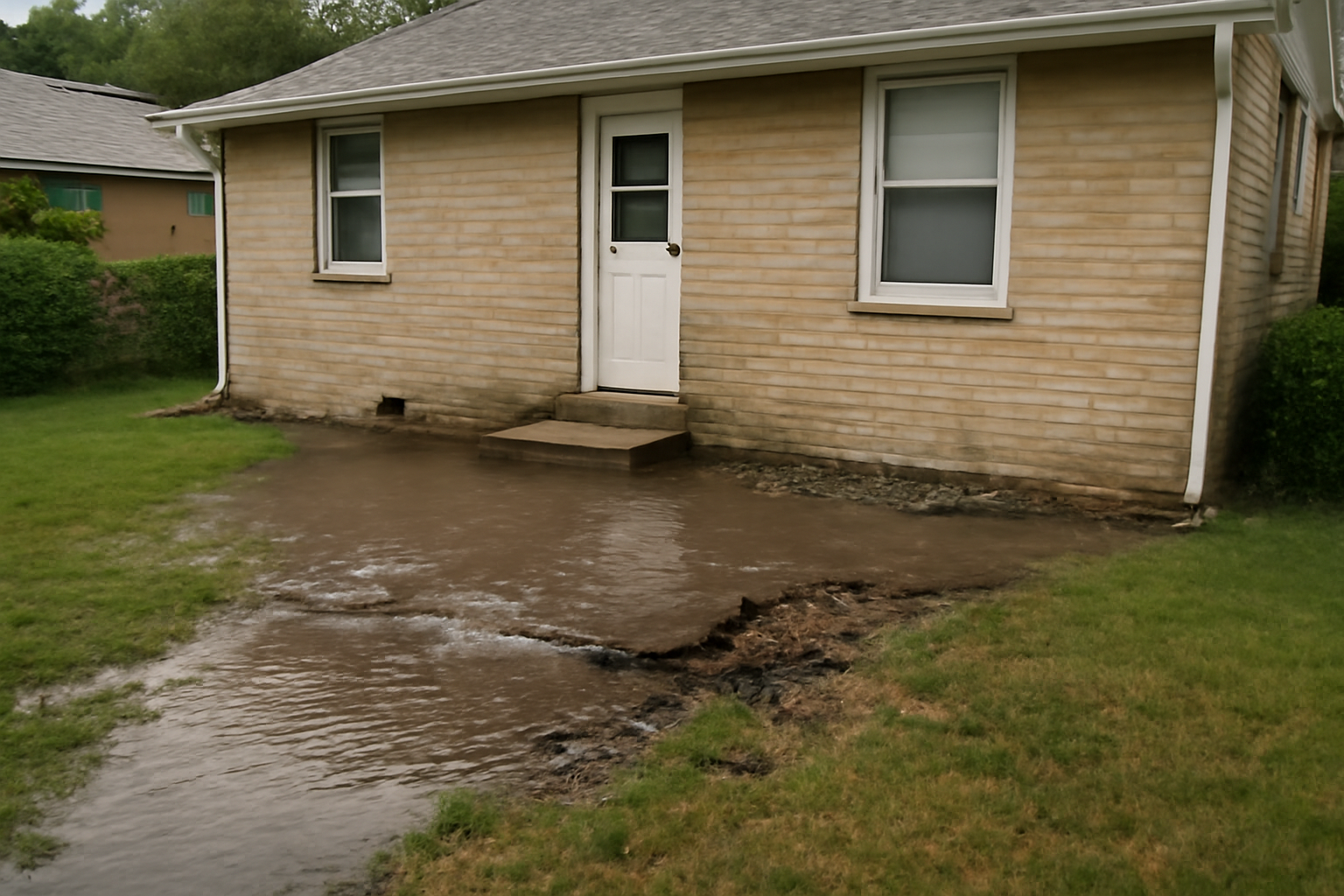
Water Damage and Flooding
Standing water around the septic tank or nearby areas can be a sign of a backup or overflow. If you notice water damage or flooding around your property, it’s essential to call our team immediately. We’ll work quickly to contain the damage and prevent further contamination.
Unusual Sounds and Noises
Unusual sounds and noises coming from your septic system can be a sign of a backup or overflow. If you hear gurgling, bubbling, or other unusual sounds coming from your drains or around the septic tank, it’s time to call our team. Don’t wait until it’s too late, as this can lead to further damage and contamination.
Unpleasant Rashes and Skin Irritations
Exposure to contaminated water can cause unpleasant rashes and skin irritations. If you notice any unusual skin reactions or discomfort after coming into contact with water from your septic system, it’s essential to call our team immediately. We’ll work quickly to assess the situation and provide a solution to prevent further damage and contamination.
Septic Tank Backup Water Removal vs. DIY: When to Call a Professional
| Situation | DIY? | Call a Pro? | Why |
|---|---|---|---|
| Small backup (less than 1 gallon) | Yes | No | You can likely handle a small backup yourself with a pump and some elbow grease. |
| Large backup (over 1 gallon) | No | Yes | A large backup needs specialized equipment and expertise to safely and effectively remove. |
| Unpleasant odors and rashes | No | Yes | Exposure to contaminated water can cause serious health issues. Don’t risk it by trying to handle it yourself. |
| Water damage and flooding | No | Yes | Water damage can lead to costly repairs and further contamination. Let the pros handle it. |
| Unusual sounds and noises | No | Yes | Unusual sounds can show a serious issue with your septic system. Don’t wait until it’s too late. |
| Contaminated water | No | Yes | Contaminated water can cause serious health issues. Don’t risk it by trying to handle it yourself. |
With septic tank backup water removal, it’s always best to err on the side of caution. If you’re unsure about how to handle the situation, or if you notice any of the warning signs mentioned above, call our team immediately. We’ll work quickly to assess the situation and provide a solution to prevent further damage and contamination.
Septic Tank Backup Water Removal Cost in Fort Oglethorpe, GA
The cost of septic tank backup water removal in Fort Oglethorpe, GA can vary depending on the severity of the backup, the size of the affected area, and local conditions. Our prices are competitive, and we’ll work with you to develop a plan that meets your budget and needs. Here are some estimated price ranges for different aspects of septic tank backup water removal:
| Service | Typical Price Range | What Affects Cost |
|---|---|---|
| Inspection and Assessment | $100 – $500 | Size of affected area, complexity of issue |
| Water Removal and Disposal | $500 – $2,500 | Amount of contaminated water, distance from disposal site |
| Sanitation and Disinfection | $200 – $1,000 | Size of affected area, type of disinfectants used |
| Equipment and Labor | $1,000 – $5,000 | Complexity of issue, amount of labor required |
| Emergency Response and Travel Fees | $100 – $500 | Distance from our location, time of day/night |
Keep in mind that these are estimated price ranges, and the actual cost of septic tank backup water removal may vary depending on your specific situation. We’ll work with you to develop a plan that meets your budget and needs, and we’ll provide a free estimate for our services.
Service Areas Near Fort Oglethorpe, GA
We serve the following communities near Fort Oglethorpe, GA:
Ringgold, GA, LaFayette, GA, Rossville, GA, Chickamauga, GA, Lookout Mountain, GA, Catoosa County, GA, Walker County, GA, Dade County, GA, Gordon County, GA, Calhoun, GA, Adairsville, GA, Cartersville, GA, Acworth, GA, Kennesaw, GA, Marietta, GA, Smyrna, GA.
Common Questions About Septic Tank Backup Water Removal
Is Septic Tank Backup Water Removal Covered by Insurance?
Yes, septic tank backup water removal is often covered by homeowners’ insurance policies. But, it’s essential to review your policy to find out the specifics of your coverage. We’ll work with you to develop a plan that meets your budget and needs, and we’ll provide a free estimate for our services.
How Long Does Septic Tank Backup Water Removal Take?
The length of time it takes to complete septic tank backup water removal depends on the severity of the backup, the size of the affected area, and local conditions. Our crews work quickly to assess the situation and provide a solution to prevent further damage and contamination. In most cases, we can complete the job within 24-48 hours.
Is Septic Tank Backup Water Removal a Health Risk?
Yes, septic tank backup water removal can pose a serious health risk if not handled properly. Exposure to contaminated water can cause unpleasant rashes and skin irritations, and in severe cases, it can lead to serious health issues. That’s why it’s essential to call our team immediately if you notice any of the warning signs mentioned above.
Do I Need to Be Home During Septic Tank Backup Water Removal?
No, you don’t need to be home during septic tank backup water removal. Our crews will work quickly to assess the situation and provide a solution to prevent further damage and contamination. We’ll keep you informed throughout the process and ensure that your property is restored to its original condition.
Can I Use a Plunger to Fix a Clogged Septic System?
No, using a plunger to fix a clogged septic system is not recommended. Plungers can push the clog further into the system, making it harder to diagnose and repair. Instead, call our team to assess the situation and provide a solution to prevent further damage and contamination.
Check Our Other Relevant Services
- Hardwood Floor Water Damage Repair in Fort Oglethorpe, GA
- Apartment Water Damage Restoration in Fort Oglethorpe, GA

Raymond Katzman is a licensed Damage Restoration Expert with over 20 years of hands-on experience in disaster recovery and structural mitigation. As a seasoned industry authority, Raymond has dedicated two decades to mastering the technical complexities of environmental safety, providing property owners with the reliable expertise and steady leadership required to navigate high-stress losses with absolute confidence.
𝗖𝗲𝗿𝘁𝗶𝗳𝗶𝗰𝗮𝘁𝗶𝗼𝗻𝘀: Raymond holds elite IICRC credentials, including Water Damage Restoration (WRT), Applied Structural Drying (ASD), Mold Remediation (AMRT), Fire and Smoke Restoration (FSRT), and Odor Control (OCT).
𝗙𝗮𝘃𝗼𝗿𝗶𝘁𝗲 𝗣𝗮𝘀𝘁𝗶𝗺𝗲: When off-site, Raymond is a passionate landscape photographer and woodworker, hobbies that reflect the patience, focus, and keen eye for detail he brings to every restoration project.
𝗕𝗲𝘀𝘁 𝗣𝗮𝗿𝘁 𝗼𝗳 𝘁𝗵𝗲 𝗷𝗼𝗯: He finds the most fulfillment in providing a clear path forward for families, turning a site of devastation back into a safe, comfortable, and healthy home.