Dallas, GA · Paulding County
Office Building Water Extraction in Dallas, GAOffice Records Water Protection & Office Water Damage Cleanup
Office Building Water Extraction in Dallas handles office building flood cleanup, commercial carpet water extraction and wet drywall removal.
Answered 24/7
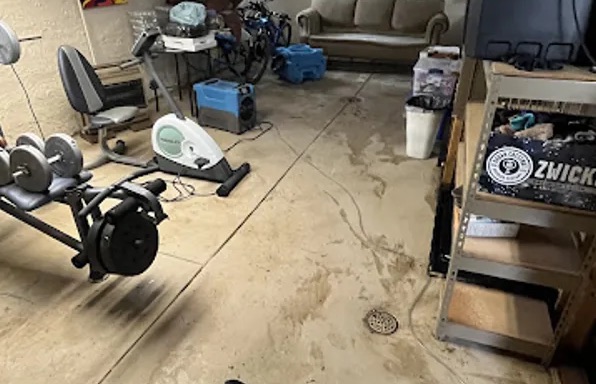
Office Building Water Extraction for Dallas Businesses
Water damage in an office building affects more than one tenant. Water on an upper floor can reach suites, ceilings and electrical rooms below.
Office building water extraction is available in Dallas and nearby Powder Springs, Douglasville and Acworth. The pros handle glue-down carpet, drop ceilings and metal-stud walls common in offices.
What Office Water Extraction Covers in Dallas
Office Records Water Protection
Desks, files and computers in wet areas are moved, raised on blocks or covered. Wet paper records are boxed and set aside for document drying.
Office Water Damage Cleanup
The pros pick up standing water, pull soaked ceiling tiles and move furniture out of wet zones, then photograph each area for the building owner and insurer.
Ceiling Leak Water Removal
Leaks from roof drains, rooftop units or the floor above often spread across a drop ceiling before tiles stain. The pros lift tiles to find the full wet area.
Office Building Drying Services
Air movers and large dehumidifiers dry carpet, walls and furniture after extraction. Readings are taken each day until materials reach dry targets.
Commercial Carpet Water Extraction
Glue-down and carpet-tile floors are extracted with weighted or truck-mounted tools that pull water from the backing as well as the surface.
Office Water Damage Warning Signs in Dallas
Wet or Squishy Carpet
Carpet that feels damp or makes a squishing sound underfoot means water is in the backing or sitting on the slab beneath it.
Bubbling Paint or Wallcovering
Paint or vinyl wallcovering that bubbles or peels on lower walls points to moisture trapped inside the wall.
Musty Smell in a Suite
A damp or musty smell in an office that was fine before usually means wet carpet, wall cavities or ceiling materials.
Stains Below Restrooms
Stains on the ceiling of the floor below a restroom often mean a toilet seal, supply line or drain is leaking.
How Office Building Water Extraction Works in Dallas
Step 1: Walkthrough With Management
The pros walk the affected floors with the property manager to agree on what to dry first and what can stay open.
Step 2: Extraction
Water is removed from carpet, tile and cabinet bases, and wet debris is cleared from the floor.
Step 3: Controlled Drying
Dehumidifiers and air movers are adjusted daily as readings change, and wet furniture is dried or set aside.
Step 4: Closeout Records
A record of readings, photos and removed materials is prepared for the owner, tenants and their insurers.
Where Office Building Leaks Start in Dallas
HVAC Condensate Overflow
Clogged condensate drains on air handlers and rooftop units overflow into ceilings and walls during cooling season.
Sewer Backups
A blocked building drain can push sewage up through floor drains and restroom fixtures on the lowest level.
Roof and Roof Drain Leaks
Flat commercial roofs with clogged drains or worn membranes let water into the plenum and through ceiling tiles.
Window and Wall Leaks
Failed window seals and cracked exterior joints let wind-driven rain into walls and onto carpet along the outside of the building.
Office Building Water Extraction for Dallas Properties
Residential Water Extraction
For a home office, wet carpet and drywall are handled like any room. Electronics are unplugged and moved, then the floor and walls are dried.
Office Building Water Extraction
Property managers get a moisture map of the affected area and daily readings, so they can plan repairs and tell tenants which suites will reopen first.
What Office Staff Can Do Before Help Starts
Take photos and video of wet areas, ceiling tiles and equipment before anything is moved. The building owner and each insurer involved will ask for them.
What Office Water Extraction Costs in Dallas, GA
Glue-down carpet, drop ceilings and partition walls each add work. A leak that reached all three costs more than water on a tile floor.
Flooring Type
Glue-down carpet and carpet tiles take more extraction passes than sealed concrete or vinyl, and some tiles may need replacement.
Ceilings and Walls
Wet ceiling tiles, plenum insulation and the lower strip of drywall add removal and drying time to the job.
Size of the Wet Area
The square footage of wet carpet, walls and ceiling sets how much equipment is needed and how long it runs.
Does Insurance Cover Office Building Water Extraction?
The pros keep photos, readings and records for each suite. You file the claim and share these records with the adjuster.
Why Professional Office Water Extraction Pays Off in Dallas
Clear Communication
Property managers get a plan for each area and daily updates, so they can tell tenants what to expect.
Night and Weekend Work
Extraction can happen after hours so fewer people are disturbed and the office reopens with less downtime.
Contaminated Water Handled Safely
Water from sewer backups or restroom overflows is treated as contaminated, with wet porous materials removed and surfaces disinfected.
Emergency Office Water Removal in Dallas, GA
For office building water extraction in Dallas, call (678) 672-1781 to reach local water damage pros any hour of the day or night.
Call Now (678) 672-1781Local Office Building Water Extraction for Dallas and Surroundings
Help with office building water extraction is available in Dallas and nearby Powder Springs, Douglasville and Acworth, with extraction and drying around the clock.
- Office Building Water Extraction in Powder Springs
- Office Building Water Extraction in Douglasville
- Office Building Water Extraction in Acworth
- Office Building Water Extraction in Villa Rica
- Office Building Water Extraction in Taylorsville
- Office Building Water Extraction in Temple
- Office Building Water Extraction in Kennesaw
- Office Building Water Extraction in Mableton
- Emergency Damage Restoration in 30132
- Storm Damage Restoration in 30132
- Water Damage Restoration in 30132
- Water Extraction Service in 30132
- Water Leak Detection in 30132
- Water Removal Service in 30132
- Emergency Damage Restoration in 30157
- Storm Damage Restoration in 30157
Office Water Extraction Questions Answered
What happens to wet computers and files?
They are moved out of the wet area first. Electronics are left unplugged for IT to check, and wet paper is set aside for document drying.
Do ceiling tiles always need to be replaced?
Stained or sagging tiles are usually replaced, since they are hard to clean and easy to swap out. The drywall and insulation above them are dried.
Why is professional equipment needed in an office?
Glue-down carpet, metal-stud walls and large open floors hold more water than household tools can remove, and drying needs to be measured.
How long does it take to dry an office after a leak?
Most offices dry in three to five days, depending on how much water there was and the type of flooring and walls. Readings decide when it is done.
Can water damage spread to other suites?
Yes. Water moves through shared walls and down through floors, so suites next to and below the leak should be checked too.