Duluth, GA · Gwinnett County
HVAC Leak Water Removal in Duluth, GAHVAC Drain Line Flood Cleanup & Moisture Remediation For HVAC Systems
HVAC Leak Water Removal in Duluth handles coil leak water damage repair, HVAC drain line flood cleanup and moisture remediation for HVAC systems.
Answered 24/7
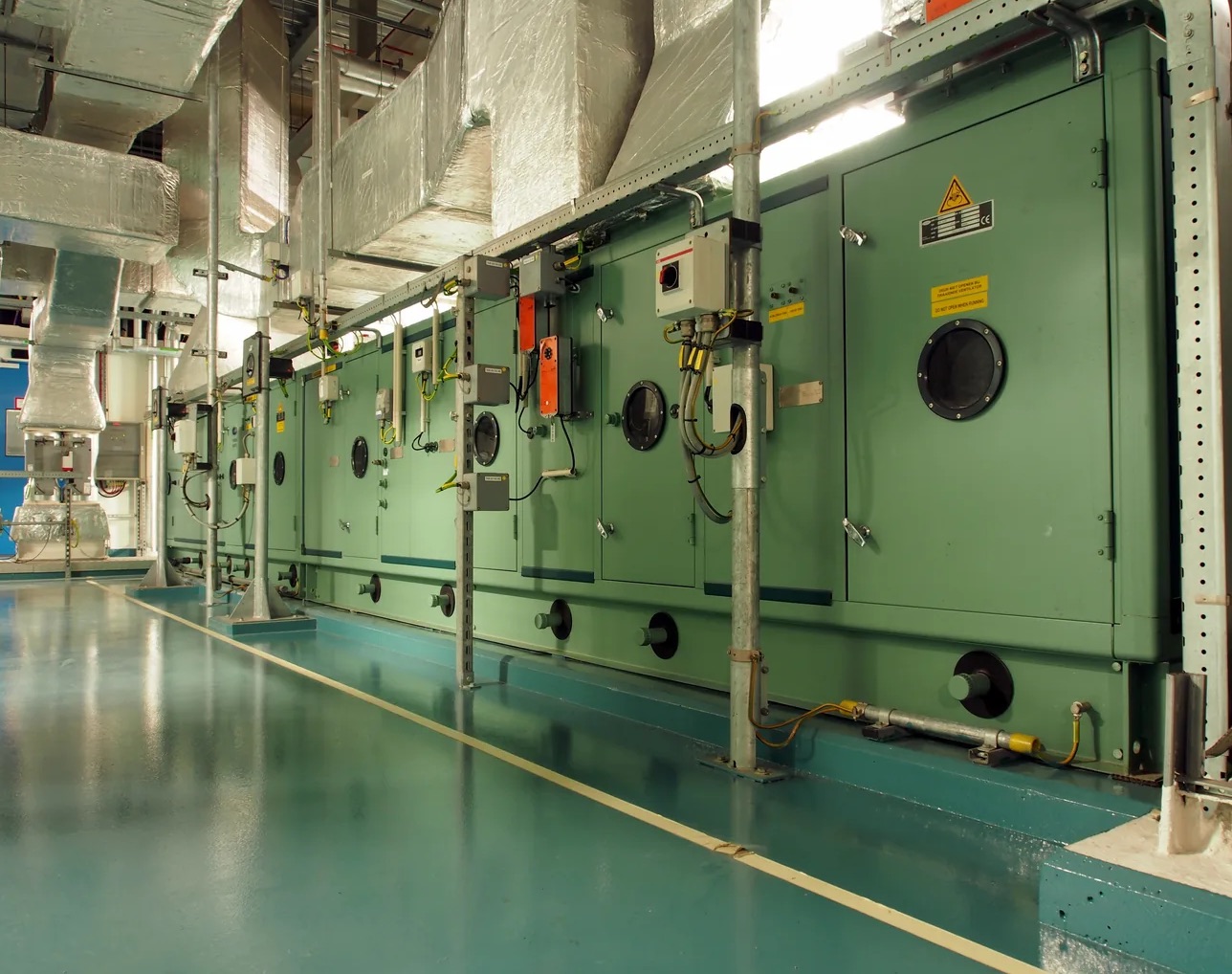
Expert HVAC Leak Water Removal in Duluth GA
An HVAC leak that is still running in Duluth has to be stopped first. A coil or drain line can put out gallons of water, and it lands on ceilings, floors and belongings.
When an HVAC leak occurs in Duluth, water needs to come out quickly to protect interior finishes and electrical systems. Local water removal pros serve this community and nearby areas like Johns Creek, Peachtree Corners and Suwanee, extracting water around the unit and drying wet ductwork before damage spreads.
HVAC Leak Water Removal Service Details in Duluth
HVAC Drain Line Flood Cleanup
A completely blocked primary condensate drain line can overflow the secondary pan. Cleanup requires extracting the spilled water and clearing the line.
Moisture Remediation for HVAC Systems
Removing standing water is only the first part. Moisture meters show water still held in drywall, insulation and wood, and readings continue until they are dry.
AC Condensate Leak Water Removal
A failing condensate pump or disconnected line can flood a mechanical closet. This requires urgent HVAC leak water removal.
Emergency HVAC Leak Cleanup
An overflowing secondary pan or a broken drain line needs cleanup right away. Local water damage pros mobilize to extract water and assess electrical safety.
Ductwork Condensation Water Removal
Cold air inside ducts meeting warm, humid air causes sweating and droplets. Condensation soaks insulation and damages ceiling materials.
Indicators for HVAC Leak Water Removal in Duluth Homes
Condensation Dripping From Ducts
Water droplets or streaks on metal ductwork mean the ducts are sweating, and the water is landing somewhere below.
Mold on Air Handler
Visible mold on the unit, the ducts or nearby drywall usually means water has been there for a while.
Reduced Cooling or System Shutdown
An AC that shuts itself off may have a float switch that tripped because the drain pan is full of water.
Visible Rust on Metal Components
Rust forming on the evaporator coil cabinet, drain pan, or supports indicates prolonged moisture exposure.
How HVAC Leak Water Removal Works in Duluth
Step 1: 24/7 Emergency Leak Response
The pros make the area safe, find where the leak started and start removing water.
Step 2: Condensation Leak Repair Focus
The cause, such as a clogged drain line or failed pump, is identified so it can be fixed and the leak does not return.
Step 3: Comprehensive Moisture Remediation
All wet materials are dried, including the hard-to-reach spaces inside walls and ceiling cavities.
Step 4: System Restoration and Testing
Readings confirm the area is dry, and the system can be restarted once the HVAC repair is done.
What Causes HVAC Leaks Needing Water Removal in Duluth
Cracked or Disconnected Drain Pan
A damaged or misaligned secondary drain pan beneath the evaporator coil fails to catch condensation overflow.
Failed Condensate Pump
A condensate pump that fails in an attic or utility room cannot move water to the drain, so the reservoir overflows.
Clogged Condensate Drain Line
Algae, sludge, or debris blocking the primary drain pipe causes water to back up into the HVAC cabinet.
Excessive Ductwork Condensation
Poorly insulated ducts in humid spaces sweat and drip water into walls, ceilings and insulation.
Commercial and Residential HVAC Leak Water Removal in Duluth
Residential HVAC Leak Water Removal
For homeowners, the pros address water from central AC units, attic air handlers, and basement furnaces. They extract the water to protect flooring, drywall and belongings, then dry wet ductwork.
Commercial HVAC Leak Water Removal
In businesses, water from rooftop units, mechanical rooms and long duct runs can reach offices, stock and electronics. The pros remove it and dry the space while working around business hours.
HVAC Leak Water Removal vs. DIY: When to Call Local Pros
You can document water damage for an insurance claim by taking clear photos of the affected area and leaking component. Keep records of communication. Do not discard damaged items until reviewed. Coverage decisions belong to the insurer.
HVAC Leak Water Removal Cost in Duluth, GA
In Duluth, the cost of HVAC water cleanup depends on how many rooms and materials got wet. Water around coils and cabinets takes careful work in tight spaces.
Leak Source and Severity
Whether the leak came from a drain line, the coil or the pan changes how much water there is and where it went.
Drying Time and Equipment
The number of days ducts and materials take to dry decides how long the dehumidifiers run.
Affected Components and Materials
Wet insulation, damaged ductwork or wiring near the flooded unit each add work to the job.
Does Insurance Cover HVAC Leak Water Removal?
For HVAC water cleanup, a policy may cover the water damage but not fixing the failed part. The pros document the wet area and the drying, and the insurer makes the coverage decision.
Reasons to Hire Local Pros for HVAC Leak Water Removal in Duluth
IICRC-Standard Drying Methods
Drying follows industry standards so the unit area, ducts and walls are dry before the system runs again.
Structured Dehumidification Strategy
Air movers and dehumidifiers are placed to dry the cabinet area and nearby walls without blowing water further.
24/7 Emergency Response
Getting to a leaking AC early limits how far water spreads and how much it rusts parts in the unit.
Emergency HVAC Leak Water Removal Services in Duluth
Time is critical when dealing with wet ductwork from a coil leak. To initiate emergency HVAC water extraction and drying, call the pros at (678) 672-1781.
Call Now (678) 672-1781HVAC Leak Water Removal Locations Near Duluth
In Duluth and nearby Johns Creek, Peachtree Corners and Suwanee, the pros handle water from HVAC cabinets, drain lines and wet insulation around the unit.
- HVAC Leak Water Removal in Johns Creek
- HVAC Leak Water Removal in Peachtree Corners
- HVAC Leak Water Removal in Suwanee
- HVAC Leak Water Removal in Norcross
- HVAC Leak Water Removal in Lilburn
- HVAC Leak Water Removal in Lawrenceville
- HVAC Leak Water Removal in Buford
- HVAC Leak Water Removal in Alpharetta
- Emergency Damage Restoration in 30026
- Storm Damage Restoration in 30026
- Water Damage Restoration in 30026
- Water Extraction Service in 30026
- Water Leak Detection in 30026
- Water Removal Service in 30026
- Emergency Damage Restoration in 30095
- Storm Damage Restoration in 30095
Frequently Asked Questions About HVAC Leak Water Removal
What is involved in HVAC leak water removal?
Stopping the leak, extracting standing water, drying the ducts, cabinet area, walls and floor, and checking for hidden moisture with meters.
What causes an HVAC drain line to flood?
Algae, sludge or debris clog the condensate drain and the pan overflows. A disconnected or cracked drain line can also send water onto the floor.
What is HVAC cabinet water extraction?
It means removing water that has pooled inside the metal cabinet around the furnace or air handler, which protects the blower motor and controls.
How long does wet ductwork drying typically take?
It depends on how much water there is and how easy it is to reach. Most jobs take two to four days of drying with commercial equipment.
How quickly should I address AC unit water damage?
As soon as you see it. Water can reach wiring and soak drywall and insulation, and mold can start within a day or two in wet materials.