Tucker, GA · DeKalb County
Basement Water Removal in Tucker, GAEmergency Basement Flooding & Basement Dehumidification
Basement Water Removal in Tucker runs from basement water pump out and basement drying services to basement dehumidification.
Answered 24/7
Local Basement Water Removal Services for Tucker
Basement Water Removal in Tucker protects more than the floor. Furnaces, water heaters, washers and stored belongings in the basement can all be damaged by standing water.
A single storm or burst pipe in Tucker can flood a basement. Local basement water removal pros serve Tucker and nearby Lilburn, Chamblee and Norcross, with help available around the clock.
Professional Basement Water Removal Offerings
Emergency Basement Flooding
A flooded basement threatens the furnace, water heater and anything stored on the floor. Fast pumping protects what can still be saved.
Basement Dehumidification
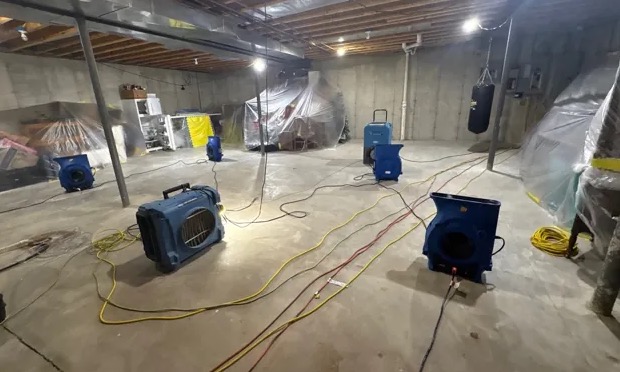
Dehumidifiers run continuously during drying, and their output is checked to track how much water is still coming out of the materials.
Basement Wall Drying
Opening the bottom of finished walls lets air reach the studs and sill plate, which otherwise stay wet behind the drywall.
Basement Moisture Inspection
An inspection shows how high water wicked up the walls and how far it spread under flooring, which sets the drying plan.
Sump Pump Failure Water Cleanup
A backup pump or battery system is worth discussing with a plumber after the cleanup, since sump failures often repeat in storms.
Common Symptoms Requiring Basement Water Removal
Rusted Appliances or Furniture
Rust on appliance bases, furniture legs or metal shelving points to standing water or long-term dampness.
Mold or Mildew
Dark spots on drywall, framing or stored items mean the area has stayed wet for days.
High Humidity and Condensation
Water on pipes and windows, or a constantly clammy feel, means basement humidity is too high.
Efflorescence on Concrete Walls
White, powdery deposits on concrete walls mean water is passing through the masonry.
How Basement Water Removal Works in Tucker
Step 1: First Call and Initial Assessment
The source, the type of water and the depth are checked, and the water level is photographed.
Step 2: Bulk Water and Contaminant Removal
Pumps remove standing water, and carpet, pad or drywall touched by dirty water is removed.
Step 3: Drying With Monitoring
Dehumidifiers and air movers run around the clock, with readings logged every day on walls and slab.
Step 4: Post-Drying Evaluation and Documentation
Final readings and photos are compiled to show the basement is dry and what was removed.
Common Causes of Basement Flooding in Tucker
Sump Pump Malfunction or Power Loss
A sump pump that fails mechanically or loses power during a storm lets groundwater rise.
Sewer Line Backups and Blockages
A blocked sewer line can push wastewater up through basement floor drains and toilets.
Heavy Rainfall and Storm Flooding
Heavy rain saturates the soil and pushes water through walls, cracks and the floor joint.
Plumbing Leaks or Pipe Bursts
Supply lines, drain pipes and water heaters in the basement can leak or burst onto the floor.
Basement Water Removal for Homes and Businesses
Residential Basement Water Removal
Older homes with a basement may see seepage with every heavy storm. Water removal handles the current damage, and the entry point is noted for a waterproofing contractor.
Commercial Basement Water Removal
Multi-unit buildings with shared basements need each storage and laundry area pumped, dried and documented for the property manager.
Why DIY Basement Water Removal Often Fails in Tucker
You can move belongings up off the floor and run the dehumidifier you already own. Drying soaked walls and slab needs larger equipment and readings to confirm the job is done.
Understanding Basement Water Removal Pricing
The cost of basement water removal in Tucker depends on how deep the water is, what type of water it is and how much finished material has to come out.
Affected Materials
Finished walls, carpet and laminate take more removal work than bare concrete.
Water Depth and Volume
Deeper water takes more pumping time and usually means more materials got wet.
Additional Services
Antimicrobial treatment, contents cleaning and repairs after drying add to the cost.
Does Insurance Cover Basement Water Removal?
Coverage for basement water removal depends on the water source and your policy. The pros document the damage and drying, and your insurer decides what is covered.
Why Tucker Homeowners Trust Local Pros for Basement Water Removal
Focus on Drying Outcomes
Drying continues until readings are normal, not just until surfaces look dry.
Post-Service Moisture Verification
Final readings are recorded before equipment leaves, so you know the basement is dry.
Moisture Inspection
Meters and thermal cameras find water in walls, floors and slab that looks dry.
Emergency Basement Water Removal Available 24/7
Standing water in a basement soaks walls and floors by the hour. Call (678) 672-1781 for basement water removal in Tucker at any time, day or night.
Call Now (678) 672-1781Basement Water Removal Serving Tucker and Surroundings
Need basement water removal outside Tucker? Service also covers Lilburn, Chamblee and Norcross, including emergency help during storms.
- Basement Water Removal in Lilburn
- Basement Water Removal in Chamblee
- Basement Water Removal in Norcross
- Basement Water Removal in Brookhaven
- Basement Water Removal in Decatur
- Basement Water Removal in Peachtree Corners
- Basement Water Removal in Dunwoody
- Basement Water Removal in Fairfield
- Emergency Damage Restoration in 30084
- Storm Damage Restoration in 30084
- Water Damage Restoration in 30084
- Water Extraction Service in 30084
- Water Leak Detection in 30084
- Water Removal Service in 30084
- Emergency Damage Restoration in 30085
- Storm Damage Restoration in 30085
Common Basement Water Removal Questions Answered
What should I do right after basement flooding?
Make power safe, avoid sewage, move belongings above the water, take photos and call for water removal.
What is involved in basement water removal?
Making power safe, pumping out standing water, extracting floors and carpet, removing soaked materials and dehumidifying until dry.
How does a basement moisture inspection work?
Moisture meters and thermal cameras check walls, floors and the slab, including behind finished walls and under flooring.
Can I dry my basement myself with fans?
Fans help with surface water, but walls and concrete need dehumidifiers and readings to dry fully.
How is contaminated water handled in a basement?
With protective gear, containment, removal of porous materials and disinfection of hard surfaces before drying.