Lawrenceville, GA · Gwinnett County
Attic Water Removal in Lawrenceville, GAWet Attic Insulation Removal & Attic Moisture Inspection
Get attic water removal in Lawrenceville for attic moisture inspection, attic leak water cleanup and attic mold prevention.
Answered 24/7
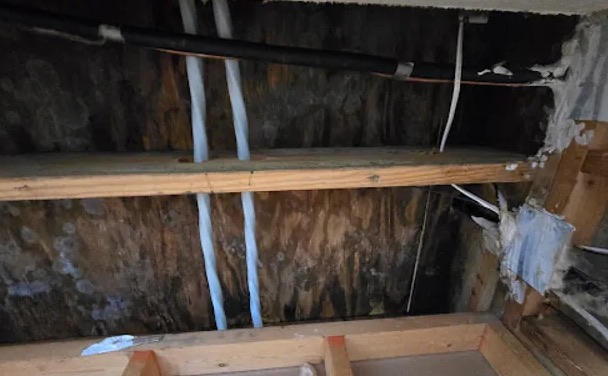
Reliable Attic Water Removal Near Lawrenceville
An attic leak is easy to miss and expensive to ignore. In Lawrenceville, water from a roof, pipe or AC pan can soak insulation and decking for weeks, then show up all at once as a stained or sagging ceiling.
Homeowners in Lawrenceville can call (678) 672-1781 day or night when water starts coming through the ceiling. Service also covers Grayson, Dacula and Snellville, with the same inspection and drying steps.
Detailed Attic Water Removal Solutions
Wet Attic Insulation Removal
Insulation that got soaked is removed from the wet bays and bagged. Leaving it in place keeps the ceiling drywall damp for weeks.
Attic Moisture Inspection
The inspection shows the full spread of the leak, so every wet area is either dried or removed.
Attic Leak Water Cleanup
Cleanup focuses on the low spots where water collects: the bays between joists, the area around the hatch and the space under an air handler.
Attic Drying Services
Drying continues until rafters, decking and ceiling drywall reach normal moisture readings, which is often several days.
Roof Leak Water Removal
The entry point is photographed and marked, which helps both the roofer and your insurance adjuster.
Signs of Attic Water Damage in Lawrenceville
Water Stains on Ceiling
A brown ring or yellow patch on an upstairs ceiling usually means water is sitting on the drywall from the attic.
Rotting Wood on Attic Beams
Soft, dark or crumbling wood on rafters and beams points to long-term moisture.
Condensation on Attic Windows or Nails
Damp nail tips or water droplets on attic surfaces point to moisture or ventilation problems.
Musty Odors in Your Home
A musty smell upstairs or at the attic hatch often points to wet insulation or damp wood above.
How Attic Water Removal Works in Lawrenceville
Step 1: Attic Flood Cleanup Response
Active drips are contained with buckets and plastic, and the room below is protected.
Step 2: Targeted Attic Moisture Removal
Water is vacuumed from between joists and on top of drywall, starting where it is deepest.
Step 3: Attic Dehumidification
Dehumidifiers pull moisture from the attic air while air movers dry the wet framing.
Step 4: Documentation for Restoration
Photos and moisture readings are compiled to show what was removed and when the attic dried.
Why Attics Develop Water Damage
HVAC System Leaks or Drain Pan Overflow
An attic air handler overflows when its condensate line clogs or the drain pan cracks.
Appliance Malfunctions Like Water Heater Leaks
Water heaters located in the attic can leak or fail, flooding the attic floor.
Burst or Leaking Plumbing Pipes
Supply lines and drain pipes in the attic can crack or burst onto the ceiling.
Roof Leaks From Damaged Shingles
Cracked, missing or lifted shingles let rain reach the decking and drip into the attic.
Both Residential & Commercial Attic Water Removal
Residential Attic Water Removal
In townhomes and condos, a shared attic can carry water into a neighbor's ceiling. Clear photos and readings help sort out repairs with the association.
Commercial Attic Water Removal
Property managers get records for each affected suite or unit, which helps with roof repair planning and insurance claims.
The Risks of DIY Attic Water Removal in Lawrenceville
A fan in the room below does little for wet attic wood. Drying the attic takes equipment up there and readings to confirm it is dry.
Understanding Attic Water Removal Pricing
The cost of attic water removal in Lawrenceville depends on how far the water spread, how much insulation is wet and whether ceiling drywall below must be replaced.
Emergency Service Timing
Storm, night and holiday calls can cost more than a scheduled visit.
Drying Time Required
Dense wood framing can take several days to dry, which adds equipment time.
Extent of Water Damage
A leak confined to one bay costs less than water spread across the attic and the rooms below.
Does Insurance Cover Attic Water Removal?
Coverage for attic water removal depends on the cause and your policy terms. The pros document the damage and drying, and your insurer decides what is covered.
Advantages of Hiring Local Pros for Attic Water Removal in Lawrenceville
Structural Drying Focus
Rafters, decking and the ceiling are dried, not just the spot under the drip.
Source Identification
The pros trace the water to its source and note it for the roofer or plumber.
Advanced Moisture Detection
Moisture meters and thermal cameras find wet wood and insulation that look dry.
24-Hour Emergency Attic Water Removal Near Lawrenceville
Ceiling sagging under the weight of water? Keep people out of the room below and call (678) 672-1781 now for attic water removal in Lawrenceville.
Call Now (678) 672-1781Attic Water Removal Service Area Around Lawrenceville
Help with attic water removal reaches Grayson, Dacula and Snellville, plus other communities around Lawrenceville, for one-story and two-story homes alike.
- Attic Water Removal in Grayson
- Attic Water Removal in Dacula
- Attic Water Removal in Snellville
- Attic Water Removal in Suwanee
- Attic Water Removal in Duluth
- Attic Water Removal in Lilburn
- Attic Water Removal in Norcross
- Attic Water Removal in Buford
- Emergency Damage Restoration in 30042
- Storm Damage Restoration in 30042
- Water Damage Restoration in 30042
- Water Extraction Service in 30042
- Water Leak Detection in 30042
- Water Removal Service in 30042
- Emergency Damage Restoration in 30043
- Storm Damage Restoration in 30043
Your Attic Water Removal FAQs Resolved
What is involved in attic water removal?
Stopping the source, removing pooled water, bagging wet insulation, drying the framing and decking, and checking the ceiling below.
What causes attic water damage?
Roof leaks, plumbing failures, attic AC overflows, water heater leaks, loose bath fan ducts and poor ventilation.
What does water damaged attic restoration include after drying?
New insulation, any decking or framing repairs, and ceiling drywall replacement and paint in the room below.
How can mold be prevented after attic water removal?
By drying wood quickly, fixing ventilation problems and treating framing that stayed wet with an antimicrobial.
What equipment is used for attic water extraction?
Wet vacs, pumps, air movers, dehumidifiers, moisture meters and thermal cameras, plus vacuums for wet insulation.