Sugar Hill, GA · Gwinnett County
Attic Water Extraction in Sugar Hill, GAAttic Mold Prevention & Wet Attic Insulation Removal
Attic Water Extraction in Sugar Hill includes attic leak water cleanup, roof leak water removal and ceiling water damage cleanup.
Answered 24/7
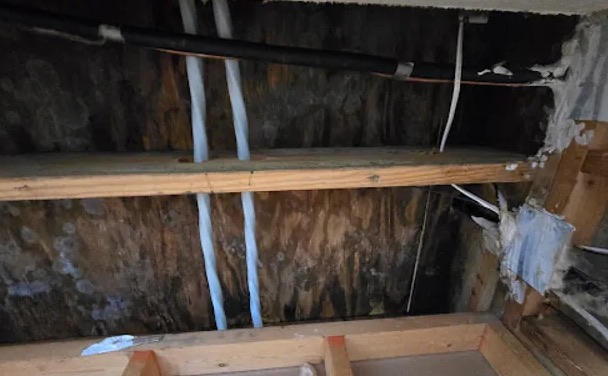
Attic Water Extraction Solutions in Sugar Hill, Georgia
Water in an attic has only one place to go: down through the ceiling. In Sugar Hill, a roof leak, a burst attic pipe or an overflowing AC pan can put water on top of the ceiling drywall, where it soaks in and starts to sag.
Homes in Sugar Hill and nearby Buford, Suwanee and Flowery Branch have attics that hold insulation, ductwork and often an AC unit or water heater. The pros remove water from roof leaks and equipment failures and dry the framing.
Detailed Attic Water Extraction Offerings in Sugar Hill
Attic Mold Prevention
Drying the attic quickly is the main way to limit mold on wood. Treatment is added for areas that were wet for days.
Wet Attic Insulation Removal
Blown-in insulation that got wet is vacuumed out of the affected bays, and fiberglass batts are pulled and bagged.
Ceiling Water Damage Cleanup
A ceiling holding water is punctured in a controlled way to drain it into buckets, then the soaked section is cut out.
Attic Drying Services
Drying runs until wood framing and ceiling drywall reach normal readings. Equipment is moved as each area dries.
Roof Leak Water Removal
Roof leaks often show up far from where they start. Moisture meters trace the water back along the decking to its entry point.
Symptoms Requiring Attic Water Extraction in Sugar Hill, GA
Insect Infestations in Attic
Wet wood draws insects, so new activity in the attic can be a sign of an ongoing leak.
Condensation on Attic Surfaces
Droplets or damp patches on the underside of the roof decking point to a moisture and ventilation problem.
Increased Indoor Humidity
Upstairs rooms that feel humid or clammy may have moisture coming down from the attic.
Musty Odors From Attic
A musty smell from the attic hatch or upstairs rooms often points to wet insulation or wood.
How Attic Water Extraction Works in Sugar Hill
Step 1: Attic Leak Source Identification
The pros trace the water to the roof, a pipe or the AC pan and stop it with a tarp or shut-off.
Step 2: Flooded Attic Cleanup
Water, wet debris and fallen insulation are removed, and stored items are moved out of the attic.
Step 3: Structural Drying Setup
Equipment is placed to dry the framing and decking, with the room below checked and dried too.
Step 4: Attic Mold Prevention Treatment
Once dry, wood that stayed wet for days can be cleaned and treated with an antimicrobial.
Typical Origins of Attic Flooding in Sugar Hill, GA
HVAC System Condensate Overflow
AC air handlers in the attic overflow when the condensate line clogs or the pan cracks.
Aging or Deteriorated Roofing Materials
Old, curled or cracked shingles and worn underlayment let water through during heavy rain.
Plumbing Leaks in Attic
Supply lines and water heaters in the attic can leak or burst onto the ceiling below.
Gutter and Downspout Blockages
Clogged gutters and downspouts let water back up under the roof edge.
Attic Water Extraction for All Properties in Sugar Hill
Residential Attic Water Extraction
In townhomes and condos, attic leaks can cross into a neighbor's space. Clear photos and readings help sort out repairs with the association.
Commercial Attic Water Extraction
Property managers get records for each affected unit or suite, which helps with roof repair planning and insurance claims.
Attic Water Extraction vs. DIY: When to Call the Pros
A bucket under the drip and a tarp over furniture are good first steps. Call local attic water extraction pros if water is pooling in the attic, the ceiling is stained or sagging, or insulation is soaked.
The Cost of Attic Water Extraction in Sugar Hill
Water extracted from an attic in Sugar Hill the same day usually means less ceiling drywall to replace than water left over a weekend.
Mold Prevention Steps
Antimicrobial treatment of wood that stayed wet is an added step, priced by area.
Access and Complexity
Low headroom, tight access hatches and narrow joists make the work slower.
Size of the Affected Area
A leak that spread across the whole attic costs more than one confined to a single bay.
Does Insurance Cover Attic Water Extraction?
Damage to the ceiling and rooms below an attic leak is usually part of the same claim. Show the adjuster both spaces.
Advantages of Hiring Local Pros for Attic Water Extraction in Sugar Hill
Roof Leak Location
The leak point is marked and photographed so the roofer can fix the right spot.
Attic Drying
Framing, decking and the ceiling below are all dried, not just the spot under the leak.
Advanced Moisture Detection
Moisture meters and thermal cameras find wet insulation and wood that look dry.
24/7 Emergency Attic Water Extraction in Sugar Hill
Night, weekend or holiday, local attic water extraction pros handle attic water in Sugar Hill. Call (678) 672-1781 to get the water out and the ceiling protected.
Call Now (678) 672-1781Attic Water Extraction Near Sugar Hill: Areas Served
Nearby areas served for attic water extraction include Buford, Suwanee and Flowery Branch, with the same extraction and drying steps used in Sugar Hill.
FAQ on Attic Water Extraction in Sugar Hill
What are signs of hidden attic water damage?
Ceiling stains, a musty smell upstairs, matted insulation, dark spots on decking and rusted nails.
Why is a moisture inspection important after extraction?
Extraction removes pooled water, but wood and drywall stay wet inside. Meters show what still needs drying.
What is involved in professional attic water extraction?
Catching drips, vacuuming pooled water from decking and drywall tops, removing soaked insulation and drying the framing and ceiling below.
How does roof repair relate to attic water extraction?
The roof must be fixed or tarped to stop new water. Extraction and drying deal with the water already inside.
What is the purpose of attic mold prevention?
To slow microbial growth on wood that stayed wet, by drying it quickly and treating it with an antimicrobial if needed.