Lawrenceville, GA · Gwinnett County
AC Unit Water Removal in Lawrenceville, GAWet AC Unit Component Drying & AC Leak Mold Prevention
AC Unit Water Removal in Lawrenceville runs from emergency AC water removal and AC leak water cleanup to air conditioner restoration services.
Answered 24/7
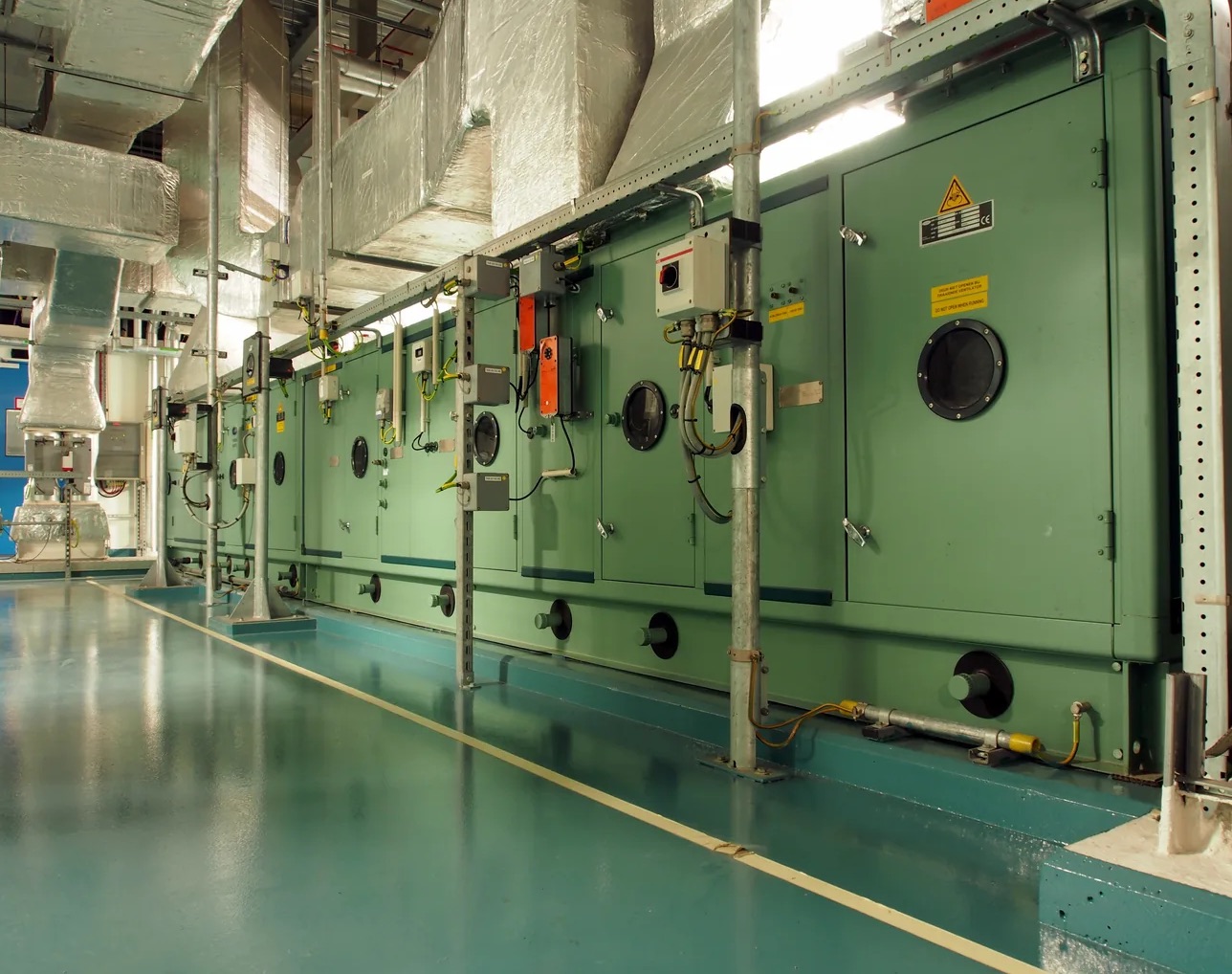
Expert AC Unit Water Removal for Lawrenceville Homes
An air conditioner pulls gallons of water out of the air on a hot day. When the drain line clogs or the pan cracks, that water lands on ceilings, walls and floors in Lawrenceville homes instead of draining outside.
Property owners in Lawrenceville can call (678) 672-1781 day or night when an air handler starts leaking. Service also covers Grayson, Dacula and Snellville, with the same extraction, drain clearing and drying process for attic, closet and garage units in houses, condos and apartments.
Comprehensive AC Unit Water Removal Solutions in Lawrenceville
Wet AC Unit Component Drying
Air movers and a dehumidifier are set around the unit, and moisture readings are taken until the metal and insulation test dry.
AC Leak Mold Prevention
Antimicrobial treatment is an add-on step after drying, not a substitute for removing wet materials that cannot be saved.
AC Condensate Drain Clearing
The PVC drain line is cleared with suction or a flush, and the trap is checked so water stops backing up into the pan.
AC Leak Water Extraction
Water is removed from every wet surface the leak reached, including closets and rooms below an attic air handler.
AC Drain Pan Water Extraction
Both the primary pan and the secondary safety pan are emptied, and the pan is inspected for rust holes or cracks.
Warning Signs You Need AC Unit Water Removal
Musty Odors From Vents
A musty smell when the AC starts often means standing water in the pan or wet insulation in the ducts.
Water Stains on Walls
Brown rings or peeling paint on the ceiling under an attic unit, or on walls near the closet, point to a slow leak.
AC Unit Circuit Breaker Trips
Water reaching electrical parts can trip the breaker. Shut the unit off and call before resetting it again.
AC Drain Pan Overflow
Water at the rim of the drain pan, or in the secondary pan, means the condensate line is blocked.
How AC Unit Water Removal Works in Lawrenceville
Step 1: AC Unit Flood Cleanup
Water is extracted quickly to keep it from soaking into insulation, framing and the ceiling below.
Step 2: Drain Line Diagnosis and Clearing
The drain line is inspected for clogs, sags or loose fittings and cleared so water drains outside.
Step 3: Structural and Unit Drying
Air movers and dehumidifiers run around the unit, with daily moisture checks on walls and floors.
Step 4: System Check and Cleanup
The pan is cleaned, the drain is tested with water and the area is left dry.
Why AC Units Leak and Need Water Removal
Disconnected Drain Line
A drain line knocked loose in the attic or closet empties condensate onto the ceiling or floor.
Improper AC Unit Installation
A unit that is not level, or a drain line without enough slope, lets water pool instead of draining.
Failed Condensate Pump
Units that pump condensate uphill depend on a small pump. When it fails, the reservoir overflows.
Excess Outdoor Humidity
Very humid air makes the coil produce more water than a partly clogged drain can carry.
Residential and Commercial AC Unit Water Removal in Lawrenceville
Residential AC Unit Water Removal
Attic air handlers in houses leak into bedroom and hallway ceilings. The pan is emptied, the ceiling checked with a meter and wet drywall dried or cut out before it sags.
Commercial AC Unit Water Removal
Commercial systems have larger pans and longer drain runs. Clearing the line and drying ceiling tiles and carpet keeps the space open and safe for staff and customers.
Professional AC Unit Water Removal or DIY Cleanup in Lawrenceville
Box fans move air across a wet surface, but they often leave water trapped in wall cavities and under flooring. Professional drying uses moisture readings to confirm the hidden areas behind walls and under floors are dry too.
Factors Influencing AC Unit Water Removal Cost in Lawrenceville
An attic unit that leaked all night costs more to fix than a closet leak caught the same day. In Lawrenceville, calling early is the simplest way to keep the bill down.
Affected Component Count
The more of the system that got wet, such as the blower, panels and insulation, the more drying time is needed.
Required Drying Time
Dense materials and enclosed spaces take longer to dry, which means more equipment days.
System Restoration Complexity
Replacing drywall, insulation or trim after drying adds material and labor to the total.
Does Insurance Cover AC Unit Water Removal?
Insurers often ask whether the leak was sudden or ongoing. A record of when the water was found, what it reached and how it was dried helps answer that question.
Reasons to Select Local Pros in Lawrenceville for AC Unit Water Removal
Industry Drying Standards
Drying follows industry water damage standards, with moisture readings at each visit.
Detailed Moisture Documentation
Photos and moisture readings are recorded at each visit to support your insurance claim.
Leak Source Identification
The pros trace the leak to its source, whether that is a clog, a cracked pan or a failed pump.
24/7 Emergency AC Unit Water Removal in Lawrenceville
AC leaking into a ceiling or floor in Lawrenceville? Shut the unit off at the thermostat, move belongings out of the way and call (678) 672-1781. Help is available 24/7.
Call Now (678) 672-1781AC Unit Water Removal Near Lawrenceville: Areas Served
AC leak cleanup, drain clearing and drying also cover homes and businesses in Grayson, Dacula and Snellville, close to Lawrenceville.
- AC Unit Water Removal in Grayson
- AC Unit Water Removal in Dacula
- AC Unit Water Removal in Snellville
- AC Unit Water Removal in Suwanee
- AC Unit Water Removal in Duluth
- AC Unit Water Removal in Lilburn
- AC Unit Water Removal in Norcross
- AC Unit Water Removal in Buford
- Emergency Damage Restoration in 30042
- Storm Damage Restoration in 30042
- Water Damage Restoration in 30042
- Water Extraction Service in 30042
- Water Leak Detection in 30042
- Water Removal Service in 30042
- Emergency Damage Restoration in 30043
- Storm Damage Restoration in 30043
AC Unit Water Removal FAQ for Lawrenceville Homeowners
What is involved in AC unit water removal?
Standing water is extracted, the condensate line is cleared, and wet materials are dried with air movers and dehumidifiers until moisture readings are normal.
What should I do while waiting for help with an AC leak?
Turn off the AC, place towels or a bucket under the drip, move belongings out of the way and take photos.
How long does drying take after an AC leak?
Often several days, depending on the materials and how long they were wet. Daily readings track progress.
What happens if I ignore a drain pan overflow?
The leak keeps wetting the same materials, which can lead to rot, ceiling damage and microbial growth.
Why document AC water damage?
Photos and moisture readings show what got wet and how it was dried, which helps your insurance claim.