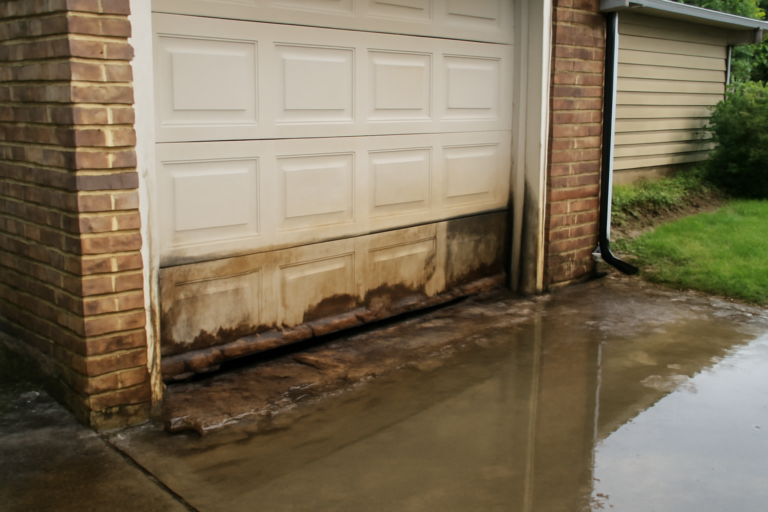
Sewer Backup Water Removal in Hapeville, GA
Trusted by 165+ Homeowners
Sewer Backup Water Removal in Hapeville, GA: When Every Second Counts
Did you know that sewer backup water removal is one of the most common homeowner insurance claims in the United States? In fact, according to recent data, nearly 1 in 5 homeowners file a sewer backup claim annually, resulting in average damages of over $10,000. In Hapeville, GA, the situation is no different. If you’re reading this, chances are you’re one of the unfortunate ones dealing with the aftermath of a sewer backup. You’re likely wondering what to do next and how to prevent further damage. Our team is here to guide you through the process, reducing the stress and financial burden.
With over 165+ five-star reviews from satisfied customers, you can trust our team to handle your sewer backup water removal needs. We’ve worked with countless homeowners in the area, and we know exactly how to tackle this type of disaster. We’ll work directly with your insurance company to ensure a smooth claims process, documenting every step of the way to ensure you get the compensation you deserve.
- Reduces Property Damage by extracting water quickly to prevent further damage and mold growth.
- Reduces Health Risks by containing and removing contaminated water, ensuring a safe environment for your family.
- Ensures Professional Documentation for insurance claims, making the process as seamless as possible.
How Our Sewer Backup Water Removal Service Actually Works
Our team follows a meticulous process to ensure your property is restored to its pre-backup state. We understand that every second counts when dealing with sewer backup water, and our crews work tirelessly to complete the job as quickly as possible. A rushed or incomplete job can lead to more damage, higher costs, and prolonged stress. We’ve seen it happen too many times, and that’s why we take pride in our thorough approach.
Step 1: Assessment and Containment
We’ll assess the damage to find out the extent of the backup and identify any potential hazards. Our team will contain the affected area, preventing further water spread and reducing the risk of secondary damage. This critical step sets the foundation for a successful restoration.
Step 2: Water Extraction
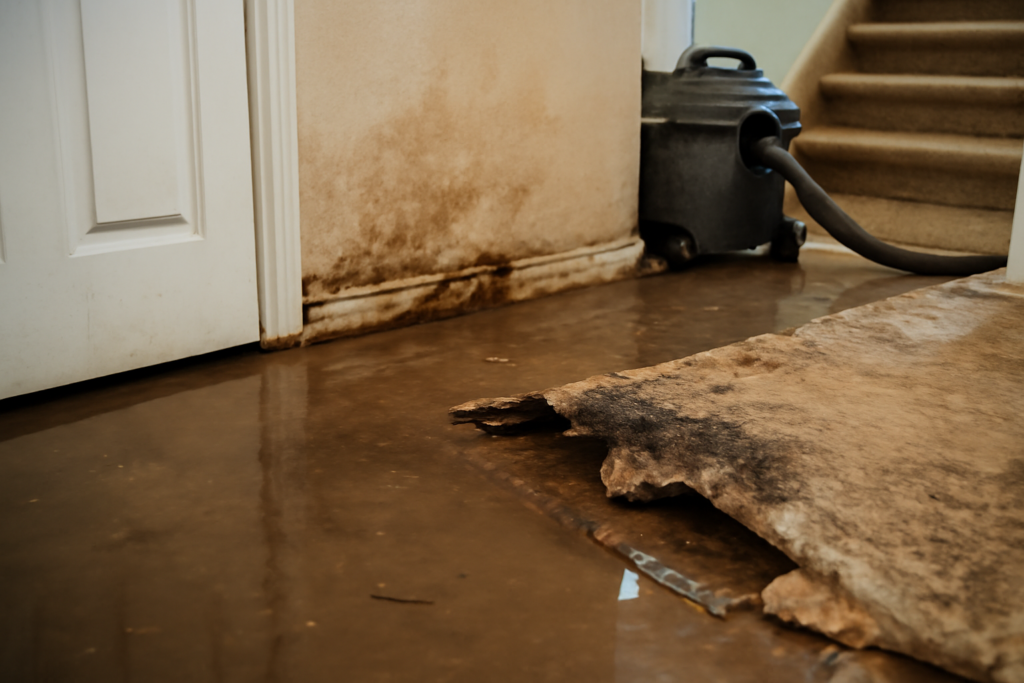
We’ll extract the water using state-of-the-art equipment, including powerful pumps and wet/dry vacuums. Our goal is to remove as much water as possible in the first 60 minutes to prevent further damage and reduce the risk of mold growth.
Step 3: Drying and Dehumidification
We’ll dry your property using specialized equipment to remove remaining moisture and prevent further damage. This step is crucial in preventing mold growth and ensuring a safe living environment.
Step 4: Sanitizing and Disinfecting
We’ll sanitize and disinfect all affected areas to remove bacteria, viruses, and other microorganisms that may be present in the contaminated water. This step is essential in preventing the spread of illness and ensuring your property is safe for occupancy.
Step 5: Final Inspection and Restoration
We’ll inspect your property to ensure all damage has been mitigated and your home is safe for occupancy. Our team will work with you to restore your property to its original state, including any necessary repairs or replacements.
Don’t wait, time is of the essence when dealing with sewer backup water. Contact our team today to schedule an emergency appointment and let us take care of the rest.
Warning Signs You Need Sewer Backup Water Removal
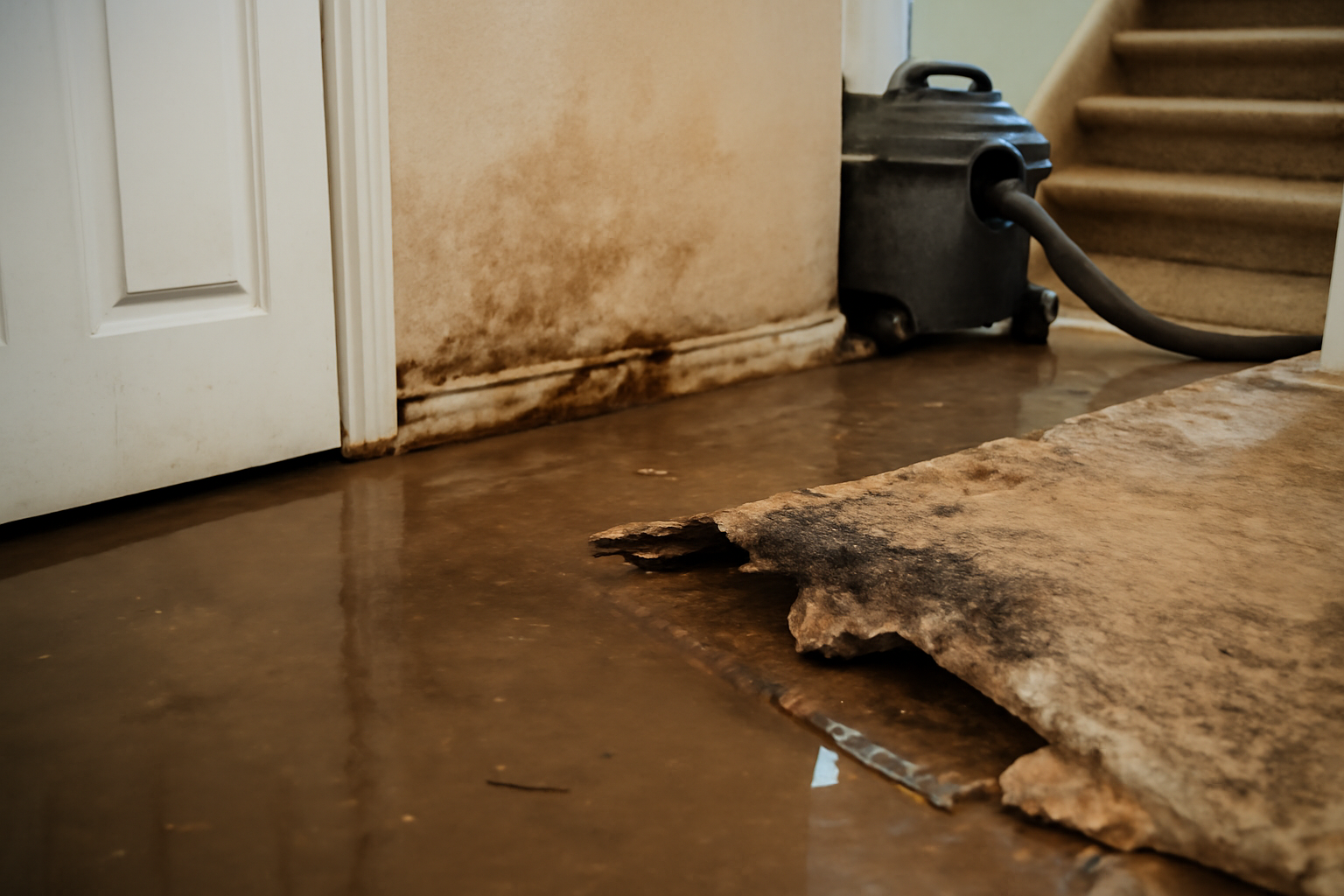
Ignoring the signs can lead to costly repairs and even health hazards. Catching these warning signs early can save you thousands of dollars and prevent bigger problems down the line. Here are the signs you shouldn’t ignore:
Musty Odors That Won’t Go Away
You’ll notice a persistent, unpleasant smell that you can’t seem to get rid of, even after cleaning and disinfecting. This is a clear sign of sewer backup water and should be addressed immediately.
Greasy Stains on Walls and Floors
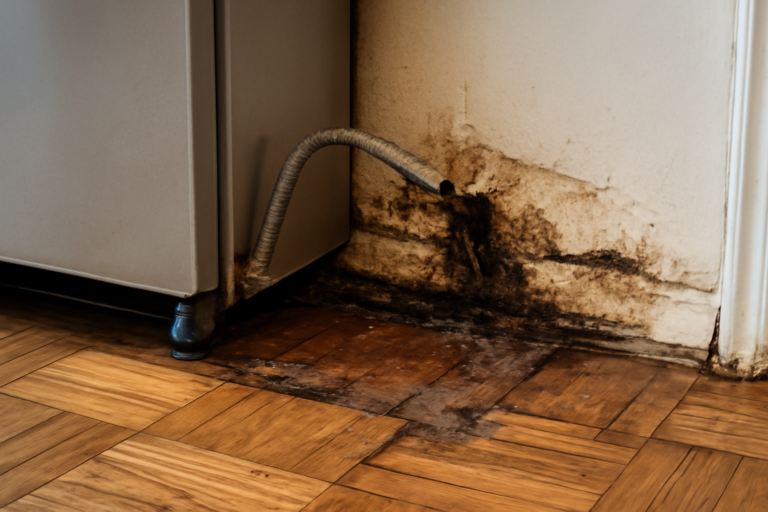
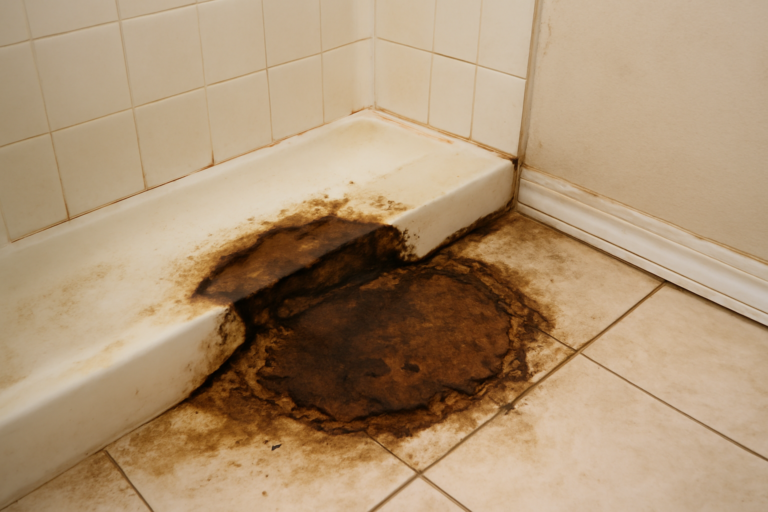
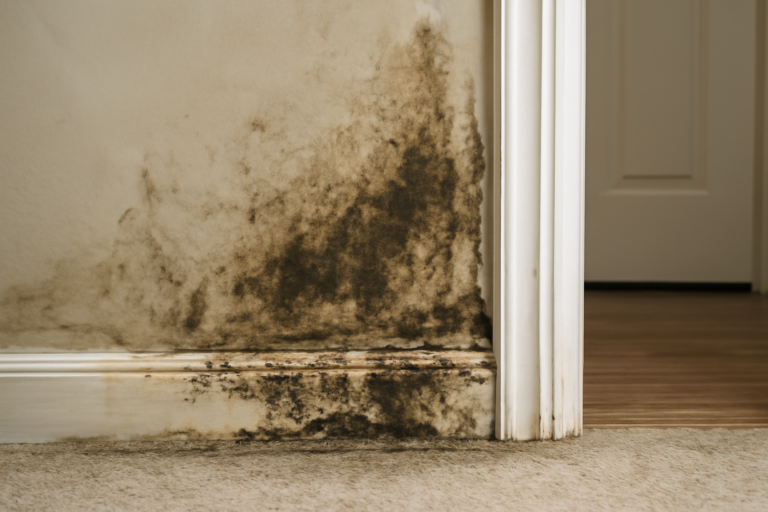
You’ll see greasy, oily stains on your walls, floors, and ceilings, showing the presence of sewage and contaminants.
Backed-Up Toilets and Drains
Water is backing up into your toilets and drains creating a unsanitary and unhygienic environment.
Water Damage and Warping
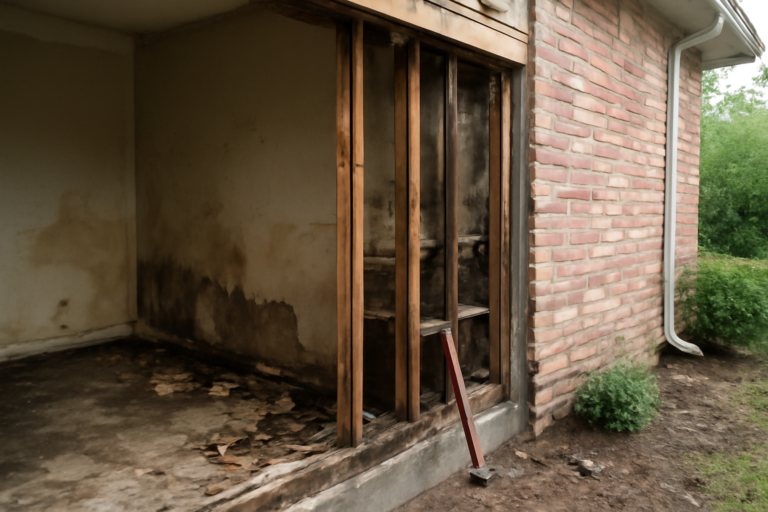
You’ll notice water damage and warping on your floors, walls, and furniture, showing that the backup has caused significant damage.
Unexplained Mold Growth
You’ll see mold growth in areas that weren’t previously affected, showing that the sewer backup has led to a moisture issue.
Unusual Noises and Sounds
You’ll hear unusual noises coming from your pipes, showing a potential blockage or issue with your sewer system.
Sewer Backup Water Removal vs. DIY: When To Call a Professional
| Situation | DIY? | Call a Pro? | Why |
|---|---|---|---|
| Small, contained backup with minimal damage | Yes | No | A small backup can often be handled with basic tools and equipment, but call a pro if you’re unsure or uncomfortable. |
| Large backup with significant damage to walls, floors, and ceilings | No | Yes | A large backup needs specialized equipment and expertise to contain and extract water quickly, reducing further damage. |
| Possible health risks due to contaminated water | No | Yes | Contaminated water poses serious health risks, and a professional team will focus on your safety and health. |
| Uncertainty about the cause of the backup | No | Yes | A professional will assess the situation and identify the root cause, ensuring the problem is fully addressed. |
| Need for insurance documentation and claims help | No | Yes | A professional team will handle all insurance documentation and claims, ensuring you receive the compensation you deserve. |
When dealing with sewer backup water, it’s always best to err on the side of caution. Call a professional if you’re unsure or uncomfortable handling the situation yourself.
Sewer Backup Water Removal Cost In Hapeville, GA
The cost of sewer backup water removal varies depending on the severity of the damage, the size of the affected area, and local conditions in Hapeville, GA. Here are some estimated price ranges for common services:
| Service | Typical Price Range | What Affects Cost |
|---|---|---|
| Assessment and Containment | $200-$1,000 | The extent of the backup and the size of the affected area. |
| Water Extraction | $500-$2,500 | The amount of water extracted and the equipment required. |
| Drying and Dehumidification | $300-$1,500 | The size of the affected area and the duration of the drying process. |
| Sanitizing and Disinfecting | $200-$1,000 | The extent of the contamination and the number of areas treated. |
| Final Inspection and Restoration | $1,000-$5,000 | The scope of the repairs and replacements required. |
Keep in mind that these are estimated price ranges, and exact costs will depend on an on-site assessment. We offer free estimates for all our services, and our team will work with you to create a customized plan that fits your needs and budget.
Service Areas Near Hapeville, GA
Atlanta, GA, Decatur, GA, Stone Mountain, GA, Clarkston, GA, Avondale Estates, GA, Scottdale, GA, Forest Park, GA, Riverdale, GA, College Park, GA, East Point, GA, Fairburn, GA, Jonesboro, GA
Common Questions About Sewer Backup Water Removal
Q: Will my homeowner’s insurance cover the cost of sewer backup water removal?
Yes, unless your policy specifically excludes sewer backup coverage. Our team will work directly with your insurance company to ensure you receive the compensation you deserve. We’ll document every step of the process to ensure a smooth claims process.
Q: How long will it take to complete the sewer backup water removal process?
Typically 3-5 days, depending on the severity of the damage and the size of the affected area. Our team will work efficiently to complete the job as quickly as possible, reducing the impact on your daily life.
Q: Is it safe to stay in my home while the sewer backup water removal is being performed?
No, it’s not safe to stay in your home while the sewer backup water removal is being performed. Our team will ensure your property is safe and secure during the process, and we’ll provide you with a safe place to stay, if needed.
Q: Can I use bleach to clean up the affected area?
No, bleach is not recommended for cleaning up sewer backup water. Bleach can actually damage surfaces and create more harm than good. Our team will use the proper equipment and materials to ensure a safe and effective cleanup.
Check Our Other Relevant Services
Serving Hapeville, GA And Nearby Areas